Silfio country intelligence · AUS
Australia
0.2% annual new-conflict probability
How to read these probabilities: Scores estimate the probability of a new armed conflict starting within the next 12 months. Ongoing conflicts can have a saturation effect, reducing the modelled probability of an additional conflict onset. A low or falling score does not imply less severe ongoing fighting or a safer country.
Population
27.61M
GDP
$1.8T
Currency
AUD
Capital
Canberra
Land area
7.69M km²
Official languages
English
Risk assessment
Risk profile
The 12-month probability of a new armed-conflict onset in Australia is 0.2%, representing a minimal risk. Australia has stable democratic institutions, strong state capacity, a capable security apparatus, geographic insulation, and no recent history of civil war, insurgency, coups, or sustained domestic armed violence.
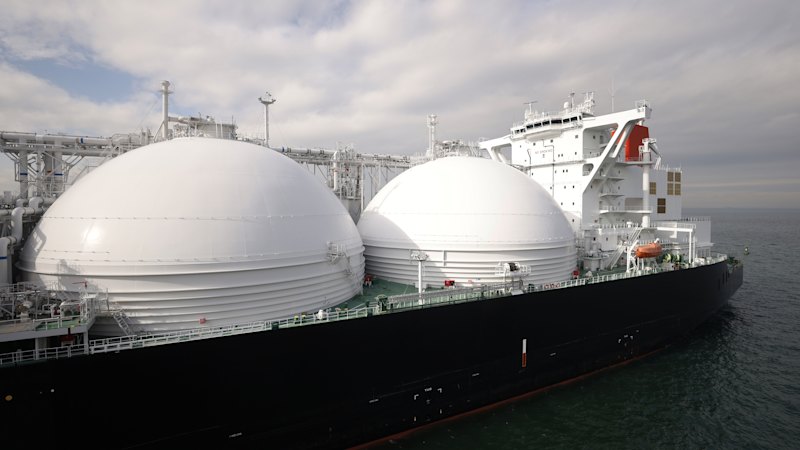
Recent reporting shows policy friction rather than armed escalation. The Labor government’s proposed gas-export restrictions are provoking concern among major Asian energy partners, while Australia’s agreement for Fiji to deploy Australian military drones concerns maritime policing and threats in Fiji’s waters, not fighting on Australian territory.
The main uncertainty is whether an external crisis or a severe domestic political rupture could overcome Australia’s substantial institutional and geographic safeguards. Risk would rise most clearly with a sustained armed attack reaching Australian territory, or organised domestic violence involving state forces; continued peaceful political management of disputes and the absence of such attacks would support the minimal level.
Strategic reasoning
- Australia’s stable institutions, high economic capacity, geographic distance from most conflict zones, and absence of recent internal armed conflict strongly constrain the likelihood of a new onset on its territory.
- Current tensions involve energy policy and overseas maritime security, while Australian forces are not reported to be engaged in fighting at home; neither development indicates a new domestic conflict.
Critical indicators
- On 19 October 2026, reporting described a dispute between the Labor government and major Asian energy partners over rules diverting more Australian gas exports to domestic consumers. The issue creates diplomatic and commercial friction, but no armed confrontation.
- On 16 October 2026, Fiji announced plans to deploy solar- and wind-powered Australian military drones in Fijian waters to patrol against drug traffickers and other threats. This is an overseas security partnership and does not constitute conflict on Australian territory.
Probability trend
How the Australia estimate has moved
Probability0.2%0.2%0.2%
Sep 30
Oct 5
Oct 12
Oct 15
Oct 19
Date
Current conflicts
Source: UCDP
No active conflicts in Australia.
Regional context
Australia compared with its neighbours and region
Australia ranks number 167 of 196 in new conflict outbreak risk.
Australia and New Zealand
- Australia0.2%
- New Zealand0.2%
Figures are each country's modelled probability of a new armed conflict on its territory within the next 12 months. Select any country to open its full profile.
Related coverage
cricinfo.com
SA vs Aus - David Bedingham looks to make most of second chance after 'down year' | Cricinfo
Read source