
www.israelnationalnews.com
Silfio country intelligence · FJI
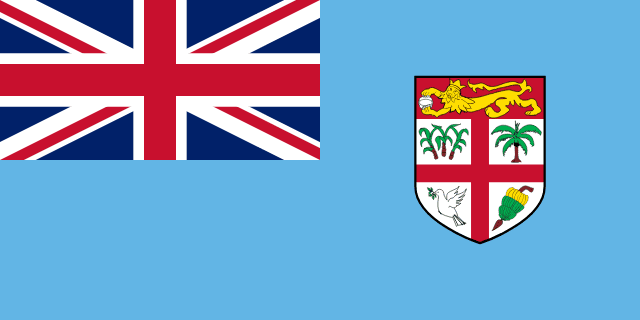
How to read these probabilities: Scores estimate the probability of a new armed conflict starting within the next 12 months. Ongoing conflicts can have a saturation effect, reducing the modelled probability of an additional conflict onset. A low or falling score does not imply less severe ongoing fighting or a safer country. Existing conflicts are assessed through scenario analysis.
933.15K
$6.2B
FJD
Suva
18.27K km²
English, Fiji Hindi, Fijian
Risk assessment
The 12-month probability of a new armed-conflict onset in Fiji is 0.4%, representing a minimal risk. Fiji has experienced coups and episodes of political violence, notably in 1987, 2000, and 2006, so military intervention and institutional disruption remain relevant historical considerations. Its relatively small population, established state institutions, and limited internal armed-group presence otherwise support a low likelihood of sustained violence.
Recent reporting provides no indication of organised armed activity or an interstate threat reaching Fiji. The only Fiji-linked report concerns a Fijian relief pilot witnessing a stabbing aboard a Flydubai flight connected to an incident outside Fiji; it does not indicate violence on Fijian territory. No prediction market for Fiji was identified.
The main uncertainty is whether political or security tensions could again produce military intervention or organised domestic violence, particularly during a severe constitutional or economic crisis. Risk would rise most clearly with a coup attempt, armed attacks between political factions, or a foreign military action reaching Fiji; continued peaceful political competition and effective security-sector restraint would support the current minimal level.
Probability trend
Aug 26
Sep 1
Sep 7
Sep 21
Sep 30
Date
Source: UCDP
No active conflicts in Fiji.
Regional context
Fiji ranks number 144 of 195 in new conflict outbreak risk.
Figures are each country's modelled probability of a new armed conflict on its territory within the next 12 months. Select any country to open its full profile.
www.israelnationalnews.com