abcnews.com
Silfio country intelligence · KOR
How to read these probabilities: Scores estimate the probability of a new armed conflict starting within the next 12 months. Ongoing conflicts can have a saturation effect, reducing the modelled probability of an additional conflict onset. A low or falling score does not imply less severe ongoing fighting or a safer country.
51.68M
$1.87T
KRW
Seoul
100.21K km²
Korean
Risk assessment
The live 12-month probability of a new armed-conflict onset in South Korea is 0.6%, a minimal risk. South Korea’s strong economy, capable institutions, advanced armed forces, and alliance with the United States support deterrence. The principal long-run danger is the unresolved Korean War, with no peace treaty, a heavily militarised demilitarised zone, and North Korea’s record of military coercion and attacks.
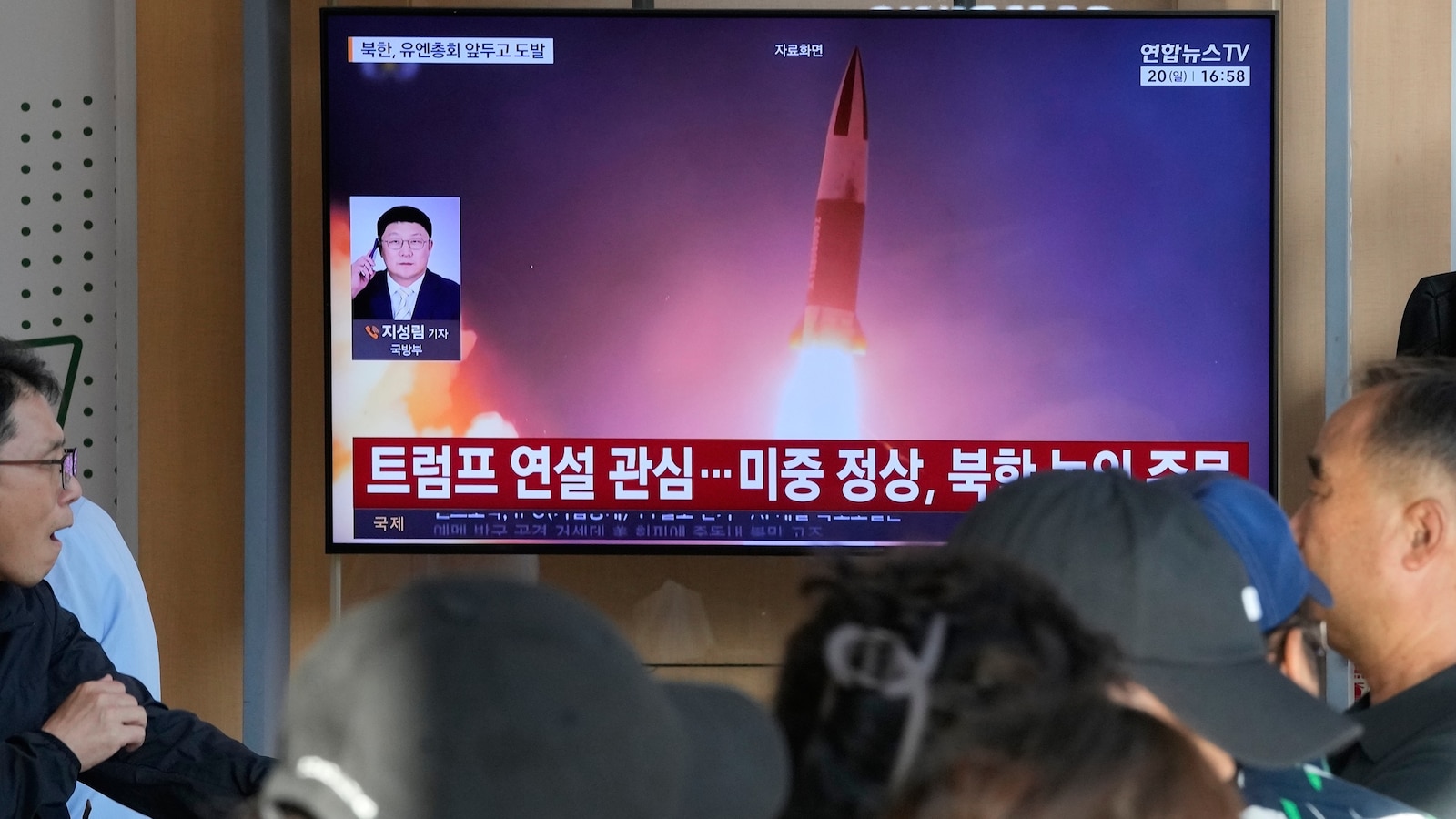
Recent reporting shows North Korea launched two suspected short-range ballistic missiles toward the East Sea on 20 September, prompting heightened surveillance by South Korea and concern from Japan. The launches occurred amid tensions surrounding US–South Korean military exercises, with Pyongyang, Seoul, Washington, and Tokyo the main actors. South Korea’s decision not to deploy forces to support the US war with Iran also keeps that separate conflict from creating a direct new-onset risk on Korean territory. A Polymarket contract implies a 2.9% chance of a North Korean invasion before 2027.
The largest uncertainty is whether missile testing and military exercises remain calibrated signalling or develop into a cycle of miscalculation, provocation, and retaliation near the peninsula. Sustained North Korean attacks, mobilisation, or a deadly incident at the border would raise risk; renewed inter-Korean communication, restraint around exercises, and continued crisis management would lower it.
Source: UCDP
No active conflicts in South Korea.
Regional context
South Korea ranks number 132 of 196 in new conflict outbreak risk.
Figures are each country's modelled probability of a new armed conflict on its territory within the next 12 months. Select any country to open its full profile.
abcnews.com

www.yahoo.com

militarnyi.com