www.bastillepost.com
Silfio country intelligence · MNG
How to read these probabilities: Scores estimate the probability of a new armed conflict starting within the next 12 months. Ongoing conflicts can have a saturation effect, reducing the modelled probability of an additional conflict onset. A low or falling score does not imply less severe ongoing fighting or a safer country.
3.57M
$25.37B
MNT
Ulan Bator
1.56M km²
Mongolian
Risk assessment
Mongolia faces a 0.8% 12-month probability of a new armed-conflict onset, representing a minimal risk. Its peaceful democratic transition, functioning political institutions, and absence of a sustained insurgency or civil war support this level. Mongolia’s location between Russia and China creates geopolitical exposure, but its armed forces and security policy have generally avoided external confrontation.
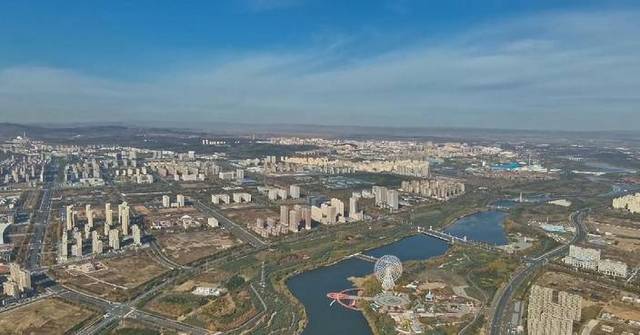
Recent reporting provides no direct indication of armed mobilisation, militant activity, or an interstate threat on Mongolian territory. Coverage of Chinese President Xi Jinping’s inspection visit to Inner Mongolia concerned green development and data infrastructure in China, rather than Mongolia or a cross-border crisis. The principal relevant actors remain the Mongolian state, China, and Russia; none is reported to be preparing hostile action against Mongolia.
The main uncertainty is whether a severe political, economic, or regional shock could disrupt Mongolia’s established restraint and institutions. Risk would rise most clearly with sustained domestic armed clashes, a violent political breakdown, or military activity by China or Russia crossing into Mongolian territory; continued institutional continuity and stable relations with both neighbours would support the minimal level.
Probability trend
Sep 30
Oct 5
Oct 12
Oct 15
Oct 19
Date
Source: UCDP
No active conflicts in Mongolia.
Regional context
Mongolia ranks number 120 of 196 in new conflict outbreak risk.
Figures are each country's modelled probability of a new armed conflict on its territory within the next 12 months. Select any country to open its full profile.
www.bastillepost.com
www.sportsvisionplus.com