Silfio country intelligence · PRK
North Korea
2.7% annual new-conflict probability
How to read these probabilities: Scores estimate the probability of a new armed conflict starting within the next 12 months. Ongoing conflicts can have a saturation effect, reducing the modelled probability of an additional conflict onset. A low or falling score does not imply less severe ongoing fighting or a safer country.
Population
26.57M
GDP
N/A
Currency
KPW
Capital
Pyongyang
Land area
120.54K km²
Official languages
Korean
Risk assessment
Risk profile
The live 12-month probability is 2.7%, placing North Korea in a low risk category. The main long-run drivers are its history of war on the Korean Peninsula, highly centralised decision-making, extensive military capabilities, nuclear weapons, and persistent confrontation with South Korea and the United States. These factors make miscalculation or deliberate escalation more consequential than in most countries.
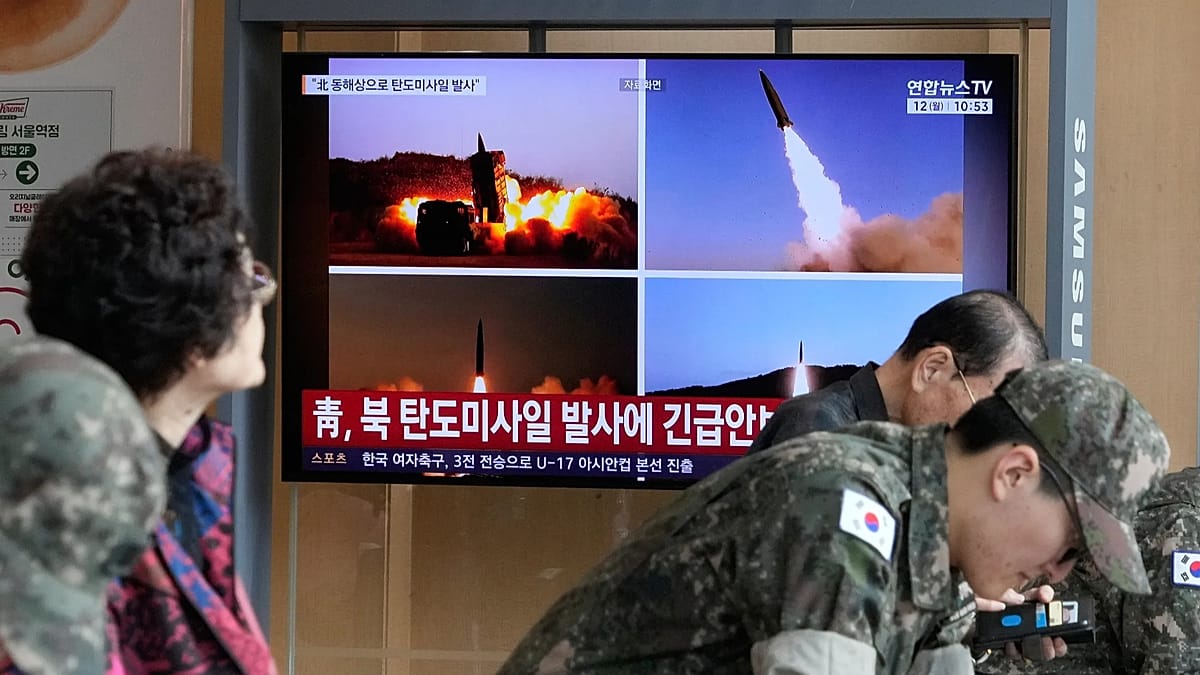
Recent reporting shows North Korea testing two types of submarine-launched strategic cruise missiles and then announcing an AI-assisted torpedo system on 17 October. Missile chief Jang Chang Ha also accused South Korea of fabricating a hypersonic-weapons test, prompting a rebuttal from Seoul. These developments involve the DPRK, South Korea, and the wider US-allied security system, but do not themselves establish fighting on North Korean territory. A Polymarket contract puts a North Korean invasion of South Korea before 2027 at 2.8%.
The greatest uncertainty is whether weapons testing and hostile rhetoric remain controlled demonstrations or interact with an incident around the maritime border, military exercises, or weapons programmes. Risk would rise most clearly after a confirmed cross-border attack, mobilisation for offensive operations, or sustained armed exchange; it would fall with verified restraint, cancelled tests, or renewed military communication.
Strategic reasoning
- North Korea’s past war experience, nuclear arsenal, authoritarian command system, and large conventional forces support a persistent risk of escalation, while deterrence and the severe costs of renewed war constrain deliberate initiation.
- The October submarine-launched missile tests and reported AI-assisted torpedo test show continuing military development and create opportunities for misinterpretation, but they remain demonstrations rather than a new conflict on North Korean territory.
- The clearest stabilising factor is the longstanding deterrence relationship involving Pyongyang, Seoul, and Washington, which makes an overt attack exceptionally costly even amid recurring confrontations.
Critical indicators
- On 15 October, North Korea reportedly tested two submarine-launched strategic cruise missiles, its first such underwater-launched missile tests in nearly three years. The tests signal progress toward survivable naval strike capabilities but do not constitute armed conflict.
- On 17 October, Pyongyang said it had tested an AI-assisted torpedo system, days after the submarine missile launches. The announcement expands concern about maritime incidents, while providing no evidence of fighting inside North Korea.
- In October, missile chief Jang Chang Ha accused South Korea of faking a hypersonic-weapons test, and Seoul promptly rejected the claim. The exchange illustrates heightened military friction; a Polymarket market separately implied a 2.8% chance of a North Korean invasion of South Korea before 2027.
Probability trend
How the North Korea estimate has moved
Probability2.7%2.7%2.7%
Sep 30
Oct 5
Oct 12
Oct 15
Oct 19
Date
Current conflicts
Source: UCDP
No active conflicts in North Korea.
Regional context
North Korea compared with its neighbours and region
North Korea ranks number 79 of 196 in new conflict outbreak risk.
Land neighbours
Eastern Asia
- China7.2%
- North Korea2.7%
- Mongolia0.8%
- Japan0.6%
- South Korea0.6%
- Taiwan0.6%
Figures are each country's modelled probability of a new armed conflict on its territory within the next 12 months. Select any country to open its full profile.
Related coverage
