timesca.com
Silfio country intelligence · KGZ
How to read these probabilities: Scores estimate the probability of a new armed conflict starting within the next 12 months. Ongoing conflicts can have a saturation effect, reducing the modelled probability of an additional conflict onset. A low or falling score does not imply less severe ongoing fighting or a safer country.
7.34M
$22.62B
KGS
Bishkek
199.95K km²
Kyrgyz, Russian
Risk assessment
The 12-month probability of a new armed-conflict onset in Kyrgyzstan is 2.8%, representing a low risk. Kyrgyzstan’s history of political upheaval, including the violent 2010 revolution and ethnic violence in southern Kyrgyzstan, shows that institutional weakness and contested power transitions can produce serious domestic violence. Poverty, limited state capacity, and unresolved social and regional divisions remain relevant underlying vulnerabilities.
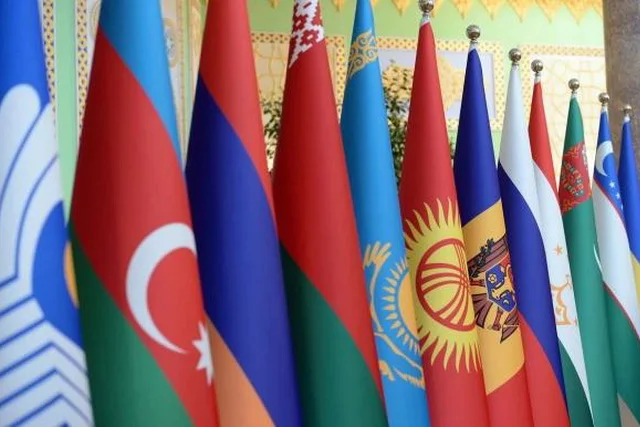
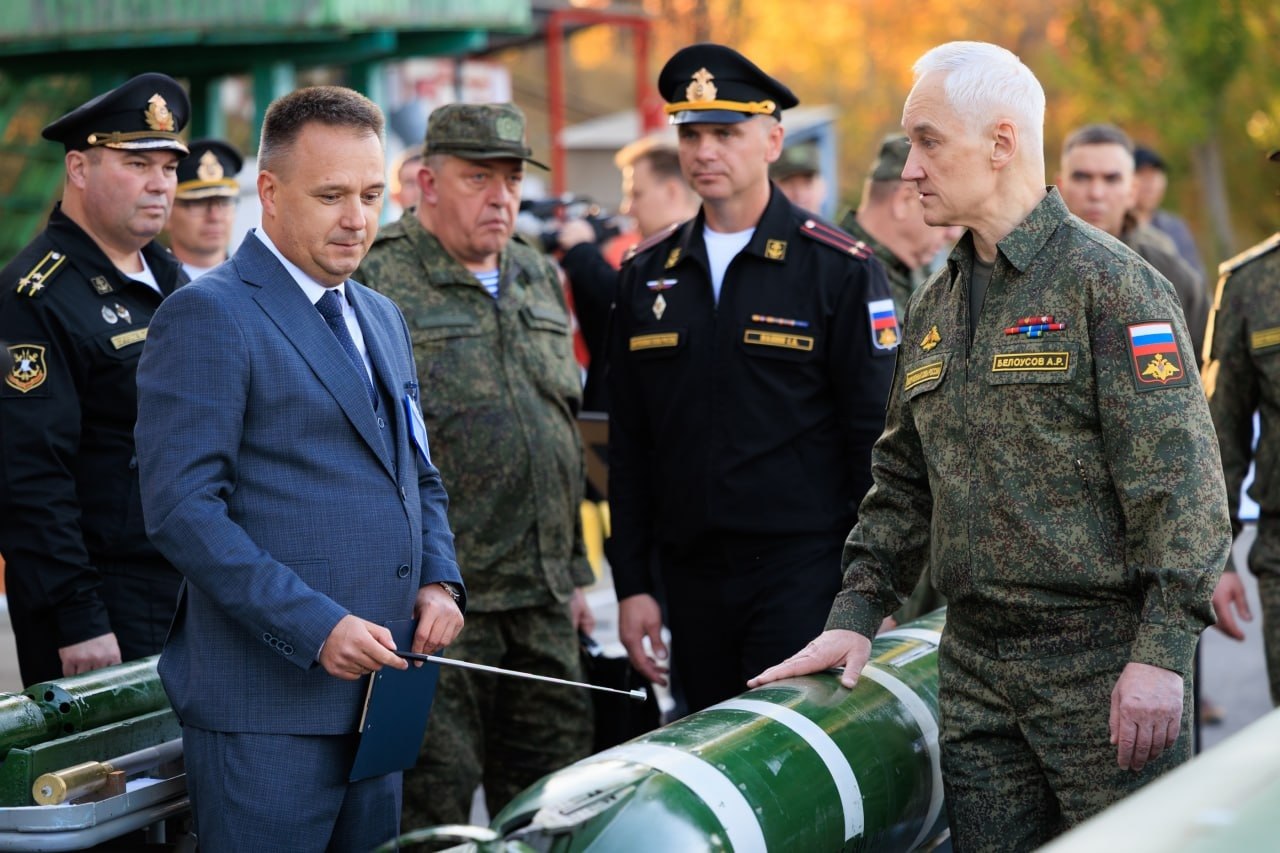
Recent reporting points more to organised security cooperation than to an emerging conflict inside Kyrgyzstan. Russia and Kyrgyzstan signed a military cooperation plan for 2027, while CIS defence ministers met in Cholpon-Ata to discuss military cooperation, unmanned systems, and military preparedness. Russia’s military presence and the country’s security ties with Moscow are important state-level stabilising factors, although regional military activity remains relevant context.
The largest uncertainty is whether a future political crisis, localised communal tension, or renewed border dispute could overwhelm state control and generate sustained armed violence. Risk would rise most clearly with mass unrest accompanied by organised armed groups, a breakdown in central authority, or renewed cross-border fighting reaching Kyrgyz territory; it would fall with continued political order and effective management of local and regional disputes.
Probability trend
Sep 30
Oct 5
Oct 12
Oct 15
Oct 19
Date
Source: UCDP
No active conflicts in Kyrgyzstan.
Regional context
Kyrgyzstan ranks number 78 of 196 in new conflict outbreak risk.
Figures are each country's modelled probability of a new armed conflict on its territory within the next 12 months. Select any country to open its full profile.
timesca.com