www.frontpagemag.com
Silfio country intelligence · TJK
Tajikistan
7.6% annual new-conflict probability
How to read these probabilities: Scores estimate the probability of a new armed conflict starting within the next 12 months. Ongoing conflicts can have a saturation effect, reducing the modelled probability of an additional conflict onset. A low or falling score does not imply less severe ongoing fighting or a safer country.
Population
10.79M
GDP
$17.66B
Currency
TJS
Capital
Dushanbe
Land area
143.1K km²
Official languages
Russian, Tajik
Risk assessment
Risk profile
The 12-month probability of a new armed-conflict onset in Tajikistan is 7.6%, representing a high risk. The country’s civil war from 1992 to 1997, later unrest in the Rasht Valley and Gorno-Badakhshan Autonomous Region, and recurring tensions along the Kyrgyzstan border demonstrate persistent vulnerabilities. Limited political pluralism, weak economic capacity, dependence on remittances, and proximity to Afghanistan add to the potential for instability.
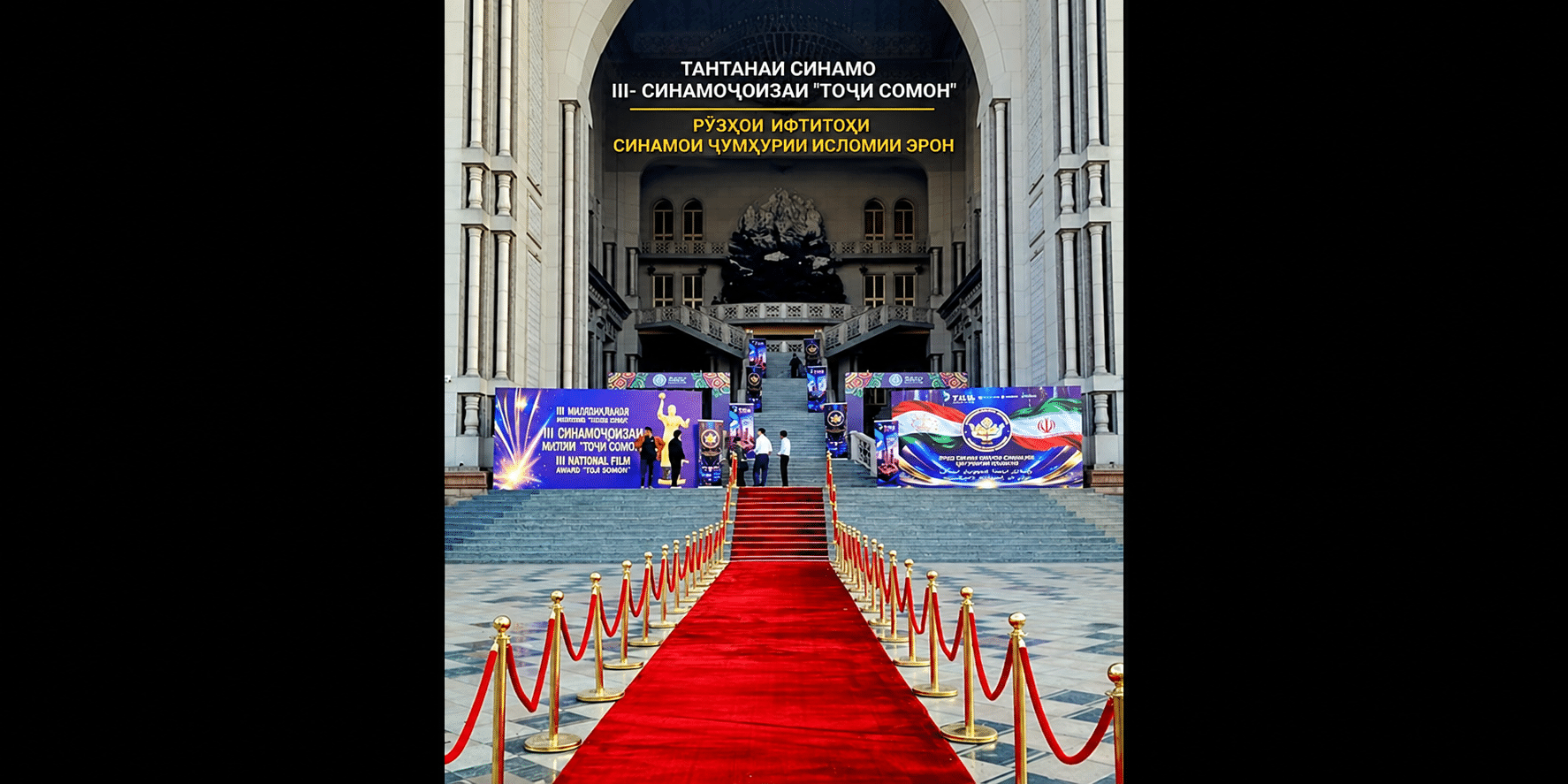
Recent reporting provides little direct evidence of an imminent onset inside Tajikistan. Coverage instead mentions Iranian investment in Tajikistan and the screening of an Iranian war thriller at a Tajik film festival; neither indicates fighting on Tajik territory. The principal relevant actors remain the Tajik state, opposition or regional networks, Kyrgyzstan, and armed groups operating from or near Afghanistan.
The largest uncertainty is whether political repression, regional grievances, or a security incident could combine into sustained armed violence. Risk would rise through renewed clashes in Gorno-Badakhshan or along the Kyrgyz border, or a militant spillover from Afghanistan; it would fall through durable border calm, effective local accommodation, and continued state control.
Strategic reasoning
- Tajikistan’s history of civil war and subsequent regional unrest shows that weak institutions and concentrated political power can allow local disputes to become organised violence.
- The strongest current stabilising factor is the absence of reported fighting inside Tajikistan, while the main escalation concern is a future border or militant incident that could activate existing grievances.
- Activity involving Tajik citizens or forces abroad would not itself constitute a new onset; the relevant threshold is sustained armed violence on Tajik territory.
Critical indicators
- Recent reporting on Iranian investment in Tajikistan, including a project described as involving 5,000 installations, indicates continuing economic and political engagement but no reported armed conflict in Tajikistan.
- A recent Tajikistan film festival screened an Iranian thriller about a cyberattack during Iran’s 12-day war in 2025. The event reflects regional security themes rather than a conflict development on Tajik territory.
Probability trend
How the Tajikistan estimate has moved
Probability7.6%7.6%7.6%
Sep 30
Oct 5
Oct 12
Oct 15
Oct 19
Date
Current conflicts
Source: UCDP
No active conflicts in Tajikistan.
Regional context
Tajikistan compared with its neighbours and region
Tajikistan ranks number 45 of 196 in new conflict outbreak risk.
Land neighbours
Central Asia
Figures are each country's modelled probability of a new armed conflict on its territory within the next 12 months. Select any country to open its full profile.
Related coverage
timesca.com