www.euronews.com
Silfio country intelligence · UZB

How to read these probabilities: Scores estimate the probability of a new armed conflict starting within the next 12 months. Ongoing conflicts can have a saturation effect, reducing the modelled probability of an additional conflict onset. A low or falling score does not imply less severe ongoing fighting or a safer country.
37.05M
$147.04B
UZS
Tashkent
447.4K km²
Russian, Uzbek
Risk assessment
The live 12-month probability is 3.5%, representing a moderate risk. Uzbekistan’s tightly controlled political system and limited space for organised opposition reduce the likelihood of sustained internal conflict, while its history includes the 2005 Andijan unrest, episodes of militant violence, and serious tensions in the Ferghana Valley. Economic and institutional pressures, unresolved border sensitivities, and instability in nearby Afghanistan remain relevant background risks.
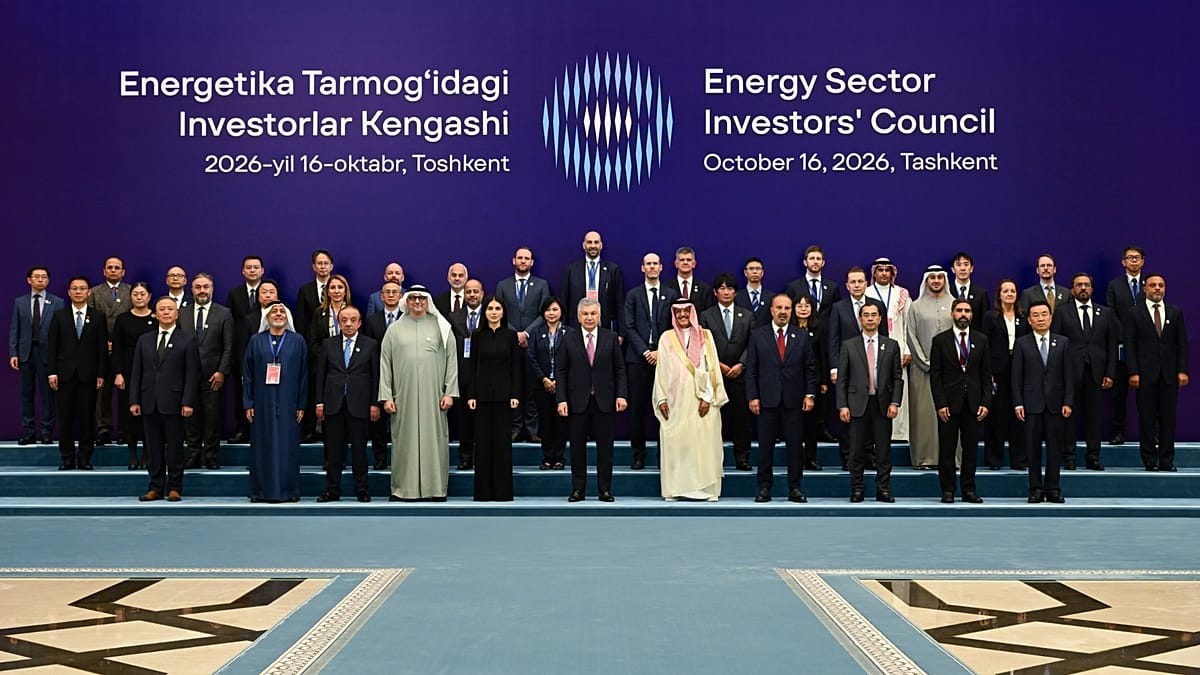
Recent reporting shows major investment and state-building activity rather than active fighting. On 16 October, Uzbekistan announced $4.7 billion in energy agreements involving ACWA Power, EDF, and Toyota Tsusho, alongside plans for additional nuclear plants and wider oil and gas exploration. Separately, Tashkent clarified that military registration procedures are administrative and do not mean immediate conscription. No prediction markets were identified.
The main uncertainty is whether domestic grievances, regional instability, or militant spillover could overcome the state’s strong coercive and administrative capacity. Risk would rise most clearly through sustained armed incidents in the Ferghana Valley, attacks linked to militant networks, serious unrest involving security forces, or cross-border violence reaching Uzbekistan; continued investment, administrative control, and the absence of organised armed opposition would support stability.
Probability trend
Sep 30
Oct 5
Oct 12
Oct 15
Oct 19
Date
Source: UCDP
No active conflicts in Uzbekistan.
Regional context
Uzbekistan ranks number 68 of 196 in new conflict outbreak risk.
Figures are each country's modelled probability of a new armed conflict on its territory within the next 12 months. Select any country to open its full profile.
www.euronews.com
