Silfio country intelligence · KAZ
Kazakhstan
1.1% annual new-conflict probability
How to read these probabilities: Scores estimate the probability of a new armed conflict starting within the next 12 months. Ongoing conflicts can have a saturation effect, reducing the modelled probability of an additional conflict onset. A low or falling score does not imply less severe ongoing fighting or a safer country.
Population
20.84M
GDP
$306.24B
Currency
KZT
Capital
Astana
Land area
2.72M km²
Official languages
Kazakh, Russian
Risk assessment
Risk profile
The 12-month probability of a new armed-conflict onset in Kazakhstan is 1.1%, representing a low risk. Kazakhstan’s large territory, substantial state capacity, and generally effective security institutions reduce the likelihood that political or social unrest develops into sustained armed conflict. The country’s history includes serious but short-lived violence, most notably the January 2022 unrest, which shows that rapid escalation remains possible under severe domestic pressure.
Recent reporting provides no specific development indicating an imminent new conflict onset on Kazakhstan’s territory. The principal domestic risk would involve a sudden confrontation between security forces and mobilised protesters or organised political groups. Russia and China remain important external actors because of Kazakhstan’s security, economic, and geographic ties, but no current evidence indicates an interstate attack reaching Kazakh territory. No prediction market is available.
The largest uncertainty is whether an abrupt economic, political, or elite crisis could overwhelm the state’s established mechanisms for control, as occurred during the 2022 unrest. Risk would rise most clearly if authorities lost control in multiple cities, armed factions emerged, or cross-border violence entered Kazakhstan; sustained political stability, functioning security institutions, and the absence of organised armed mobilisation would support the current low level.
Strategic reasoning
- Kazakhstan’s state capacity, geographic depth, and security apparatus make sustained insurgency or civil war difficult to establish, while the January 2022 unrest demonstrates that severe domestic shocks can still produce rapid violence.
- The main escalation pathway is a new nationwide political crisis involving armed security confrontations or organised domestic factions; there is no supplied current signal of such mobilisation.
- Kazakhstan’s conflicts involving forces abroad or regional security relationships do not themselves constitute a new onset on its territory; the relevant threshold is armed violence occurring inside Kazakhstan.
Critical indicators
- January 2022: protests over fuel prices developed into widespread unrest and deadly clashes in Almaty and other parts of Kazakhstan, prompting a Russian-led CSTO deployment. This remains the clearest recent precedent for sudden internal violence, although it was not a sustained new armed conflict.
- No dated current news development or prediction-market signal was supplied that indicates an imminent invasion, insurgency, coup, or sustained armed confrontation inside Kazakhstan. Established state control and the absence of organised armed mobilisation continue to support the live low-risk assessment.
Probability trend
How the Kazakhstan estimate has moved
Probability1.1%1.1%1.1%
Sep 30
Oct 5
Oct 12
Oct 15
Oct 19
Date
Current conflicts
Source: UCDP
No active conflicts in Kazakhstan.
Regional context
Kazakhstan compared with its neighbours and region
Kazakhstan ranks number 108 of 196 in new conflict outbreak risk.
Central Asia
Figures are each country's modelled probability of a new armed conflict on its territory within the next 12 months. Select any country to open its full profile.
Related coverage
combatantisemitism.org
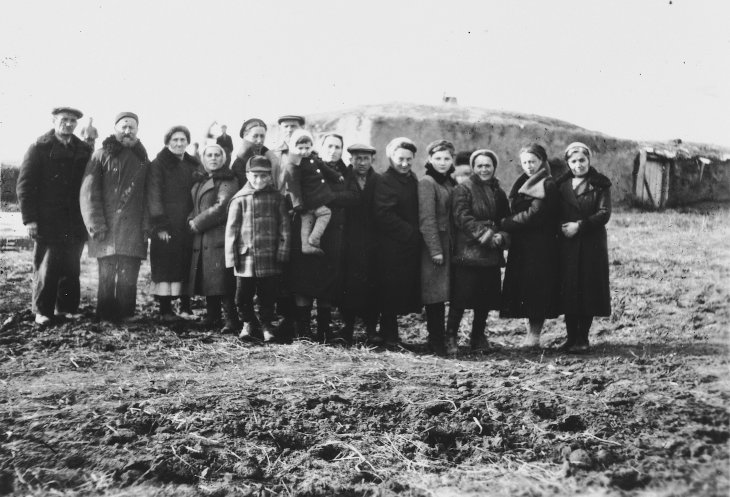
Forgotten History: How Kazakhstan Became a Safe Haven for Jews During the Holocaust | Combat Antisemitism Movement
Read source
timesca.com