militarywatchmagazine.com
Silfio country intelligence · TKM
How to read these probabilities: Scores estimate the probability of a new armed conflict starting within the next 12 months. Ongoing conflicts can have a saturation effect, reducing the modelled probability of an additional conflict onset. A low or falling score does not imply less severe ongoing fighting or a safer country. Existing conflicts are assessed through scenario analysis.
7.62M
$49.83B
TMT
Ashgabat
488.1K km²
Russian, Turkmen
Risk assessment
The 12-month probability of a new armed-conflict onset in Turkmenistan is 1.1%, a low risk. The country has no recent history of civil war, insurgency, or interstate fighting on its territory, while strong presidential control, extensive security institutions, and limited political pluralism reduce the likelihood that domestic disputes become sustained armed violence. Its isolation and severe economic pressures remain relevant vulnerabilities.
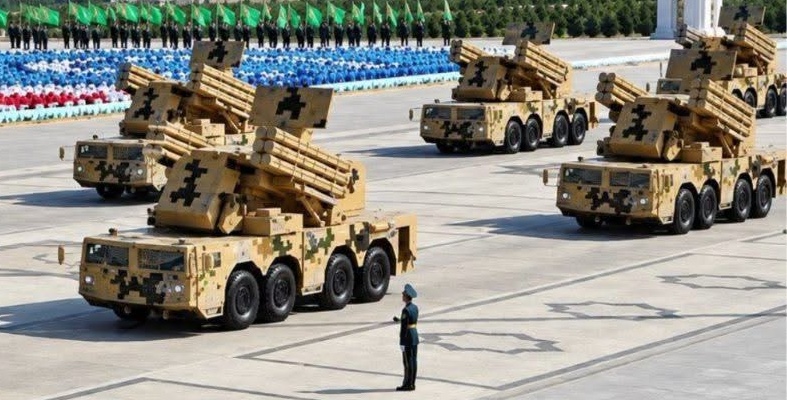
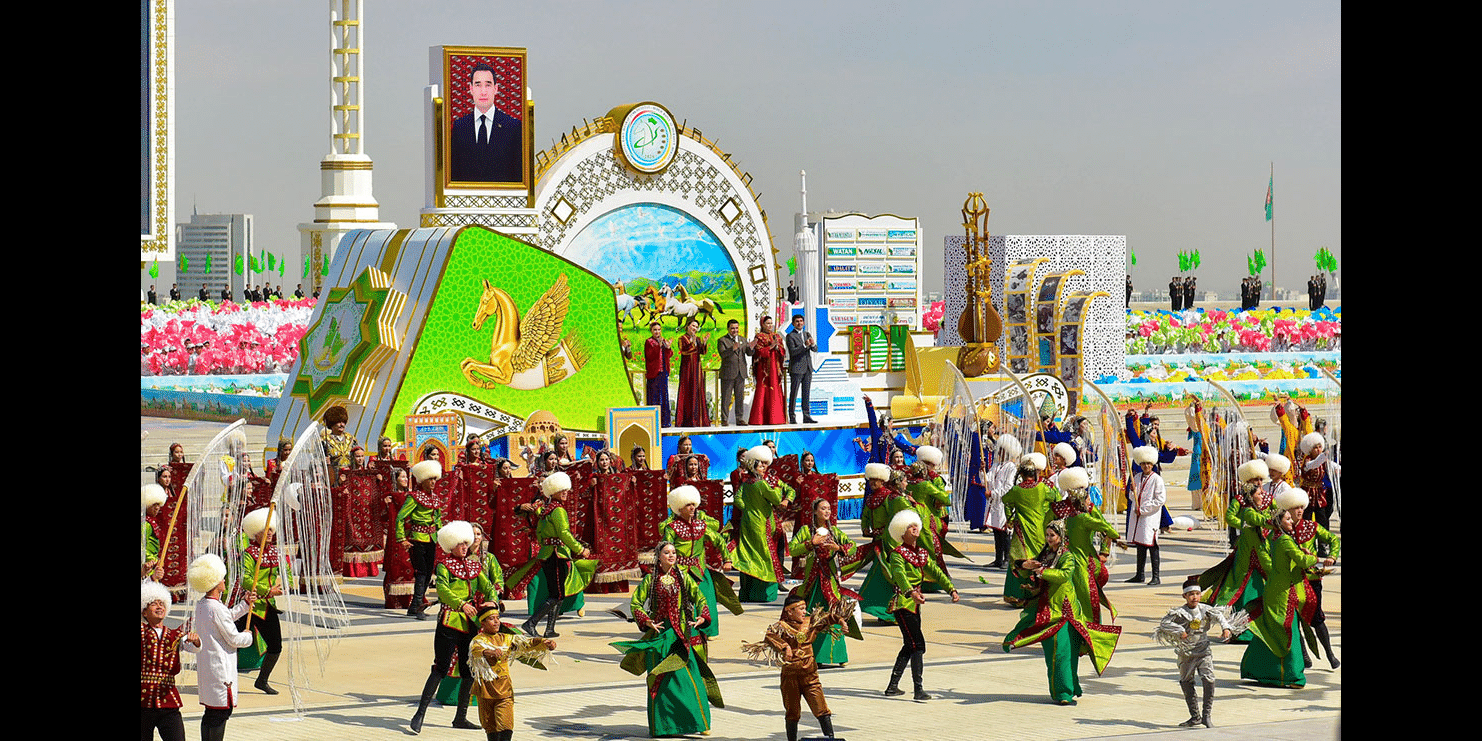
Recent reporting shows a military parade in Ashgabat on 27 September marking 35 years of independence, where Chinese-origin FK-2000 air-defence systems appeared publicly for the first time. Reports of shortages accompanying the celebrations point to social and economic strain, but do not identify an organised armed challenger or an imminent external attack. No prediction markets were found for Turkmenistan.
The main uncertainty is whether worsening shortages or elite tensions could overcome the state’s coercive capacity and political controls. Risk would rise most clearly with organised violent protests, defections or factional conflict within the security apparatus, or a cross-border incident involving Afghanistan or another neighbour; continued regime control and the absence of an armed opposition would keep the risk low.
Probability trend
Aug 26
Sep 1
Sep 7
Sep 21
Sep 30
Date
Source: UCDP
No active conflicts in Turkmenistan.
Regional context
Turkmenistan ranks number 104 of 195 in new conflict outbreak risk.
Figures are each country's modelled probability of a new armed conflict on its territory within the next 12 months. Select any country to open its full profile.
militarywatchmagazine.com
timesca.com
www.trend.az