www.euronews.com
Silfio country intelligence · PRT

How to read these probabilities: Scores estimate the probability of a new armed conflict starting within the next 12 months. Ongoing conflicts can have a saturation effect, reducing the modelled probability of an additional conflict onset. A low or falling score does not imply less severe ongoing fighting or a safer country.
10.8M
$346.64B
EUR
Lisbon
92.09K km²
Portuguese
Risk assessment
Portugal’s 12-month probability of a new armed-conflict onset is 0.7%, a minimal risk. The country’s long-running democratic stability, effective state institutions, EU and NATO membership, and high economic capacity support strong resilience. Portugal has not experienced a sustained civil conflict or interstate war on its territory in the contemporary democratic period.
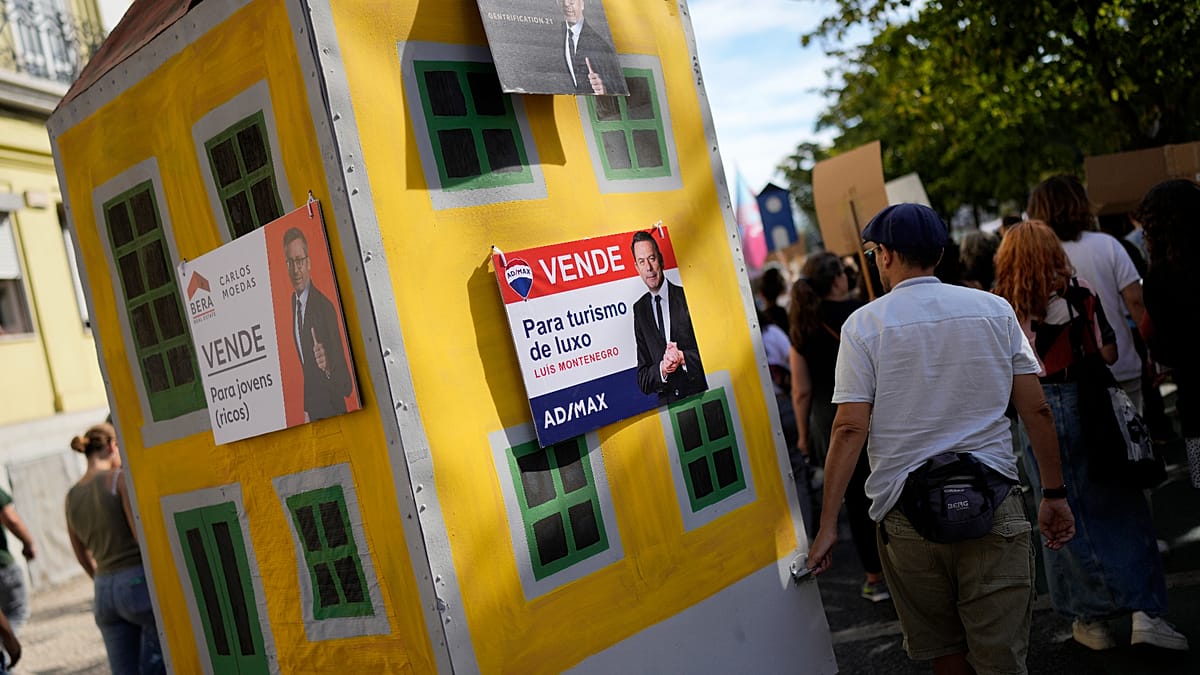
Recent reporting describes protests over the cost of living and housing crisis in Portugal on 17 October 2026, amid demonstrations elsewhere in Europe. The reported Portuguese activity indicates social discontent, but the available account does not describe sustained armed violence, organised insurgency, or clashes involving armed domestic groups. The principal actors are protesters, Portuguese authorities, and police; no neighbouring state or armed organisation is identified as threatening Portuguese territory.
The main uncertainty is whether economic grievances could evolve into prolonged unrest and whether policing or political responses could generate repeated violence. Risk would rise most clearly if protests became organised and sustained, involved firearms or systematic attacks on state institutions, or coincided with credible external military pressure. Continued peaceful mobilisation, effective policing, and political accommodation would reinforce the minimal-risk assessment.
Probability trend
Sep 30
Oct 5
Oct 12
Oct 15
Oct 19
Date
Source: UCDP
No active conflicts in Portugal.
Regional context
Portugal ranks number 124 of 196 in new conflict outbreak risk.
Figures are each country's modelled probability of a new armed conflict on its territory within the next 12 months. Select any country to open its full profile.
www.euronews.com