Silfio country intelligence · ITA
Italy
0.8% annual new-conflict probability
How to read these probabilities: Scores estimate the probability of a new armed conflict starting within the next 12 months. Ongoing conflicts can have a saturation effect, reducing the modelled probability of an additional conflict onset. A low or falling score does not imply less severe ongoing fighting or a safer country.
Population
58.92M
GDP
$2.55T
Currency
EUR
Capital
Rome
Land area
301.34K km²
Official languages
Italian
Risk assessment
Risk profile
Italy’s 12-month probability of a new armed-conflict onset on its territory is 0.8%, a minimal risk. Italy’s strong state capacity, consolidated institutions, and security services constrain escalation, while its postwar history contains no sustained civil war, insurgency, or interstate fighting on the mainland.
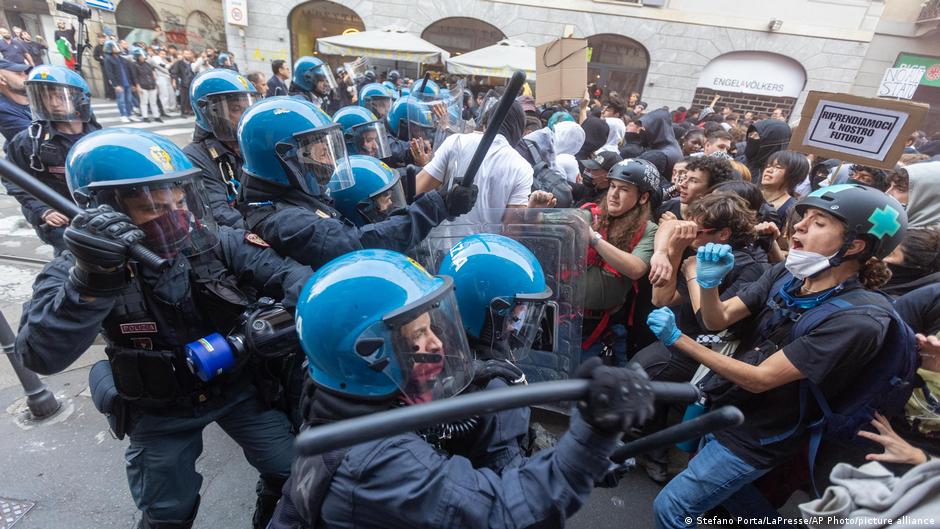
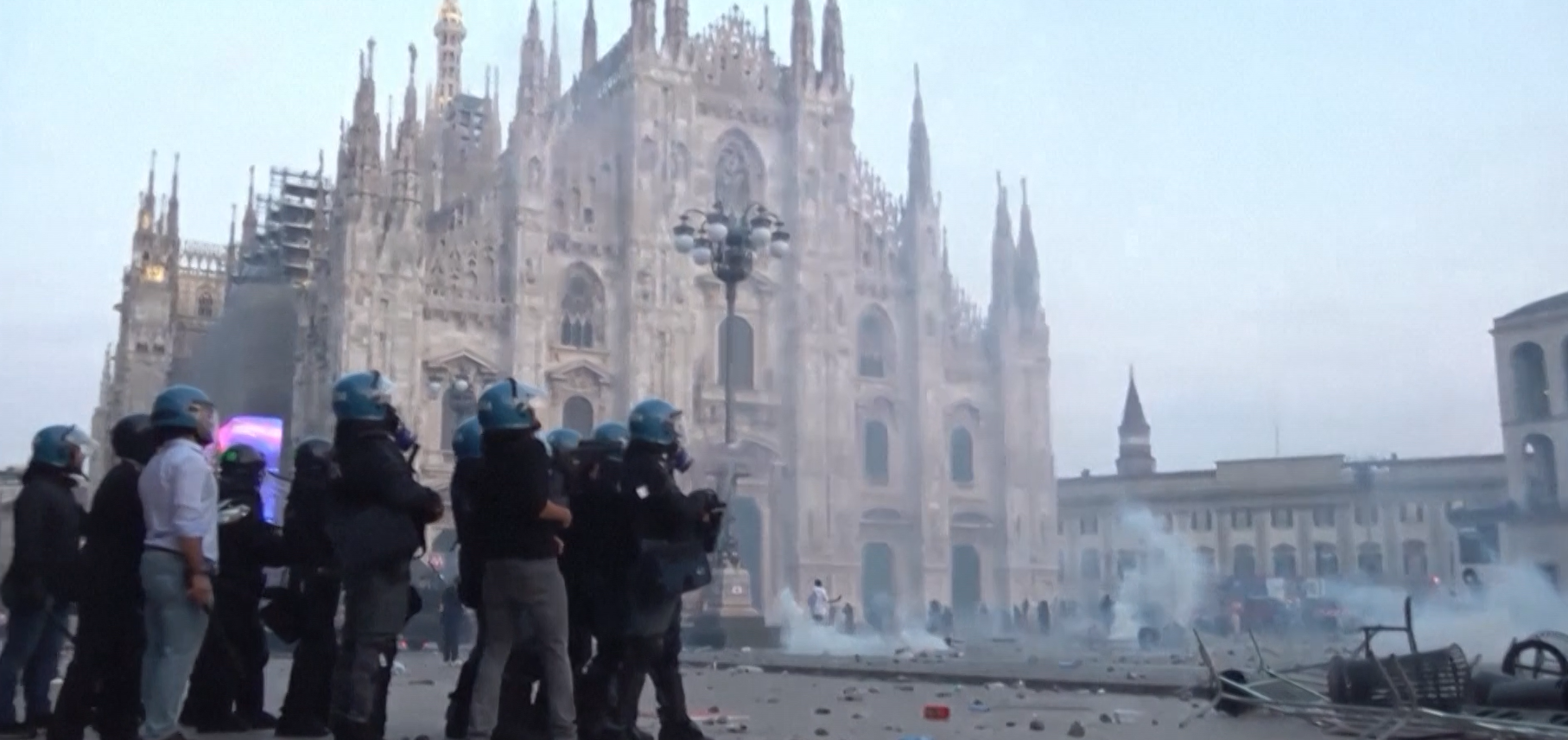
Recent reporting shows violent cost-of-living and anti-war protests in Milan, Bologna, and Turin on October 17–18, with police using tear gas and water cannons, dozens injured, and roughly 40–50 arrests reported. Prime Minister Giorgia Meloni has backed law enforcement and condemned attacks, while unions are mobilising for a November 20 general strike.
The main uncertainty is whether unrest remains episodic street violence or develops into sustained, organised armed confrontation. Risk would rise if protest networks acquired weapons, maintained coordinated attacks across cities, or faced security-force defections; it would fall if arrests, policing, political engagement, and the general strike keep mobilisation within peaceful constitutional channels.
Strategic reasoning
- Italy’s capable institutions, professional security forces, and long absence of sustained domestic armed conflict provide strong barriers against a new insurgency, civil war, or coup.
- The strongest escalation signal is the spread of violent demonstrations across several northern cities, but reported clashes, looting, and arson remain protest disorder rather than an organised armed conflict.
- Meloni’s support for police and the state’s ability to manage large demonstrations are important stabilising factors; fighting involving Italian forces abroad would not itself constitute onset on Italian territory.
Critical indicators
- On October 17–18, protests in Milan, Bologna, and Turin over living costs, public services, and wars turned violent; police reported injuries and used tear gas and water cannons. The geographic spread raises concern about mobilisation, while the events remain concentrated urban unrest.
- In Milan, reporting described looted shops, fires, and approximately 40–50 detainees, with two officers among those hurt. Meloni said demonstrations were a right but that turning cities into battlegrounds was not, signalling firm state opposition to escalation.
- A major union called a general strike for November 20 over living costs and low wages. Its significance depends on whether participation remains peaceful and politically channelled or becomes a platform for repeated violent confrontation.
Probability trend
How the Italy estimate has moved
Probability0.8%0.8%0.8%
Sep 30
Oct 5
Oct 12
Oct 15
Oct 19
Date
Current conflicts
Source: UCDP
No active conflicts in Italy.
Regional context
Italy compared with its neighbours and region
Italy ranks number 118 of 196 in new conflict outbreak risk.
Southern Europe
Figures are each country's modelled probability of a new armed conflict on its territory within the next 12 months. Select any country to open its full profile.
Related coverage
www.i24news.tv
Clashes across Italy: Two officers hurt, at least 40 arrested as cost-of-living protest turns violent in Milan - i24NEWS
Read source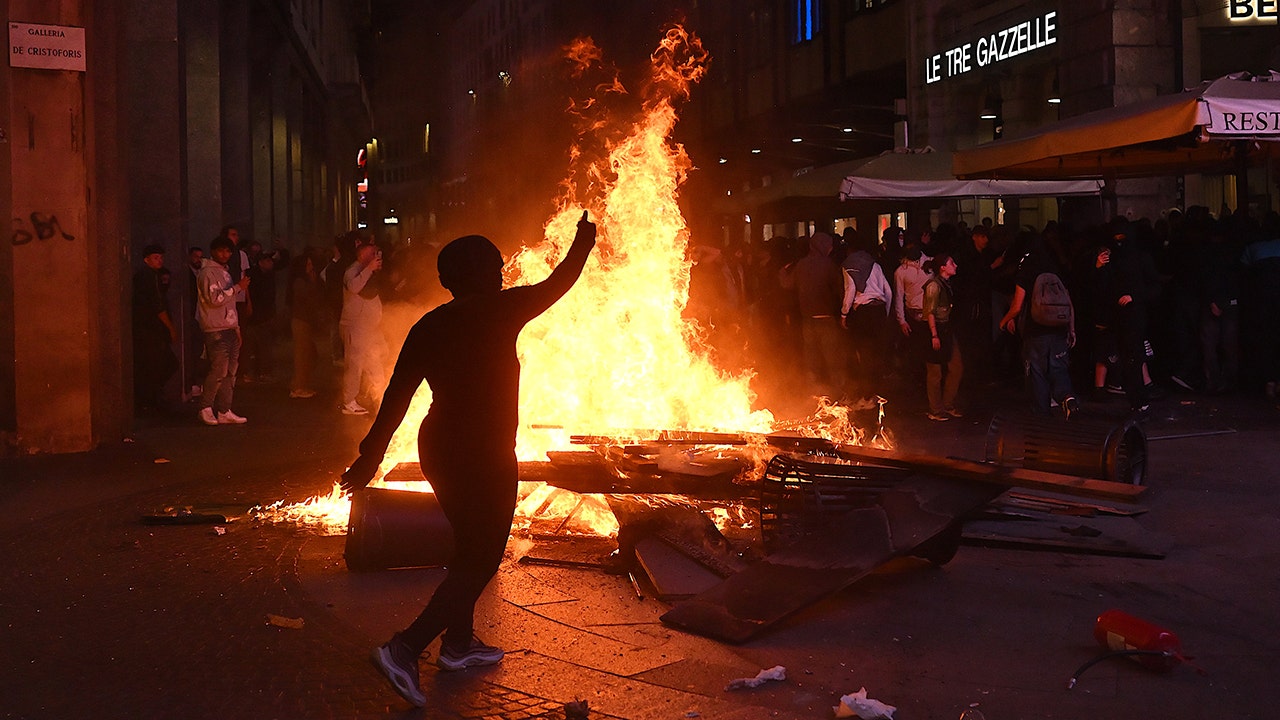
www.foxnews.com