www.euronews.com
Silfio country intelligence · BEL

How to read these probabilities: Scores estimate the probability of a new armed conflict starting within the next 12 months. Ongoing conflicts can have a saturation effect, reducing the modelled probability of an additional conflict onset. A low or falling score does not imply less severe ongoing fighting or a safer country.
11.94M
$725.47B
EUR
Brussels
30.53K km²
Dutch, French, German
Risk assessment
The 12-month probability of a new armed-conflict onset in Belgium is 0.4%, a minimal risk. Belgium’s strong institutions, high state capacity, and established mechanisms for managing political disputes support this level. Although its territory was affected by major interstate wars in the twentieth century, contemporary Belgium has experienced no sustained civil conflict and benefits from EU and NATO security arrangements.
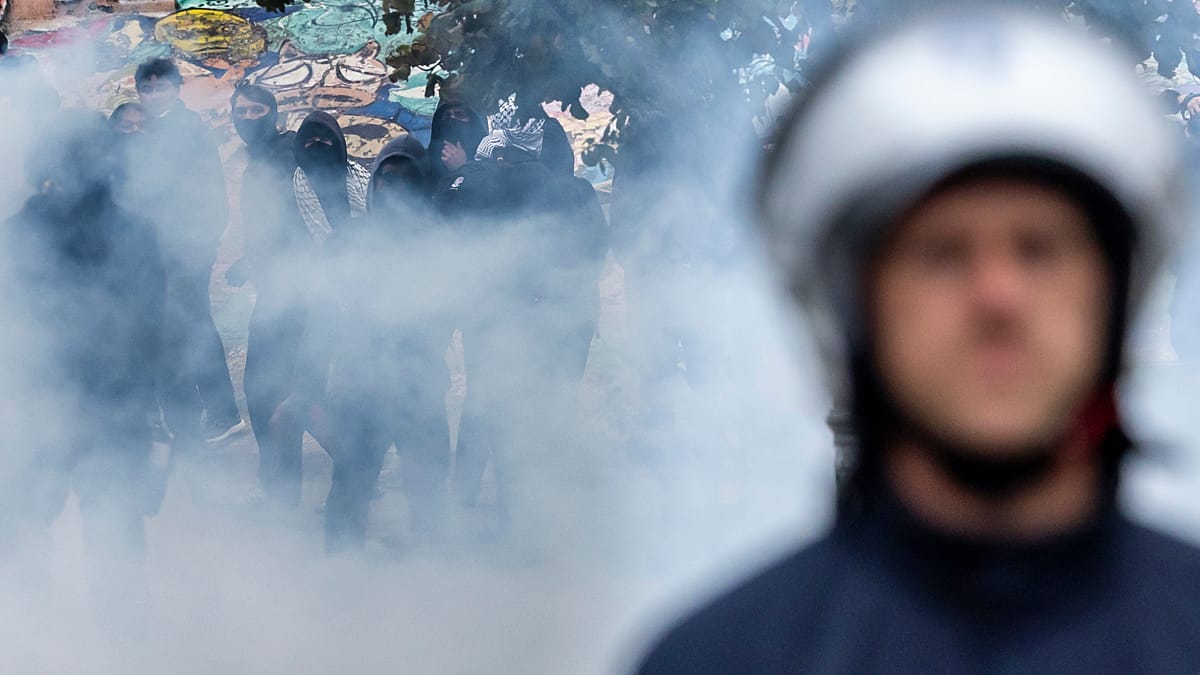
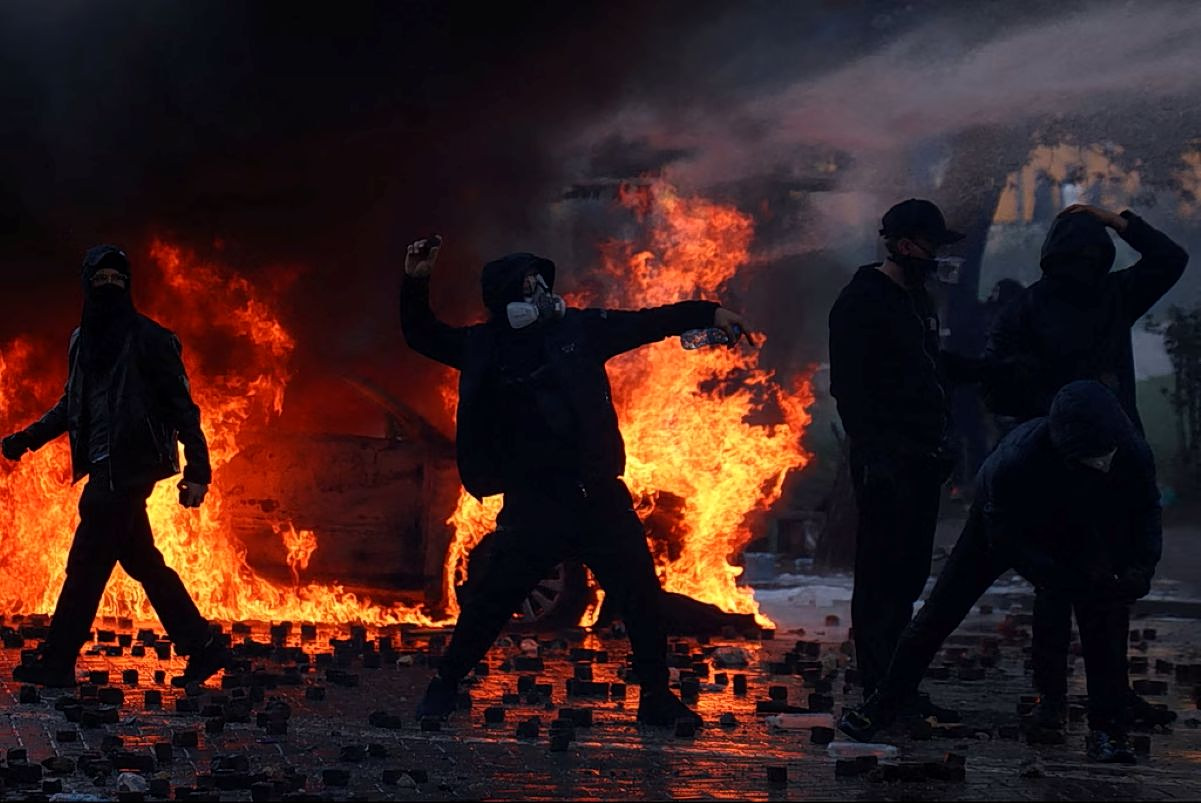
Recent reporting shows violent demonstrations in Brussels and Liège over education policy, spending cuts, and rising living costs. Nearly 200 people were arrested, police officers were injured, roads were blocked, and public property was damaged. Interior Minister Bernard Quintin said on 17 October that the unrest had become “pure and simple violence,” but the reported clashes remain protest-related disorder rather than organised armed conflict. Belgium’s condemnation of Israeli settler attacks in the West Bank concerns events abroad and does not constitute fighting on Belgian territory.
The main uncertainty is whether protest violence could become sustained, organised violence involving armed domestic groups; current reporting provides no clear indication of that transition. Risk would rise if clashes became prolonged, coordinated, and lethally armed, or if state authority were seriously challenged. It would fall most clearly if demonstrations dispersed and arrests, policing, and political negotiations restored routine public order.
Probability trend
Sep 30
Oct 5
Oct 12
Oct 15
Oct 19
Date
Source: UCDP
No active conflicts in Belgium.
Regional context
Belgium ranks number 144 of 196 in new conflict outbreak risk.
Figures are each country's modelled probability of a new armed conflict on its territory within the next 12 months. Select any country to open its full profile.
www.euronews.com
www.tovima.com
