
nashaniva.com
Silfio country intelligence · BLR
How to read these probabilities: Scores estimate the probability of a new armed conflict starting within the next 12 months. Ongoing conflicts can have a saturation effect, reducing the modelled probability of an additional conflict onset. A low or falling score does not imply less severe ongoing fighting or a safer country.
9.09M
$93.4B
BYN
Minsk
207.6K km²
Belarusian, Russian
Risk assessment
Belarus has a 1.8% 12-month probability of a new armed-conflict onset, a low risk. The country has avoided civil war and sustained insurgency since independence, while strong state control, limited organised opposition, and extensive security capacity constrain domestic armed violence. Its principal exposure comes from dependence on Russia and its proximity to the war in Ukraine.
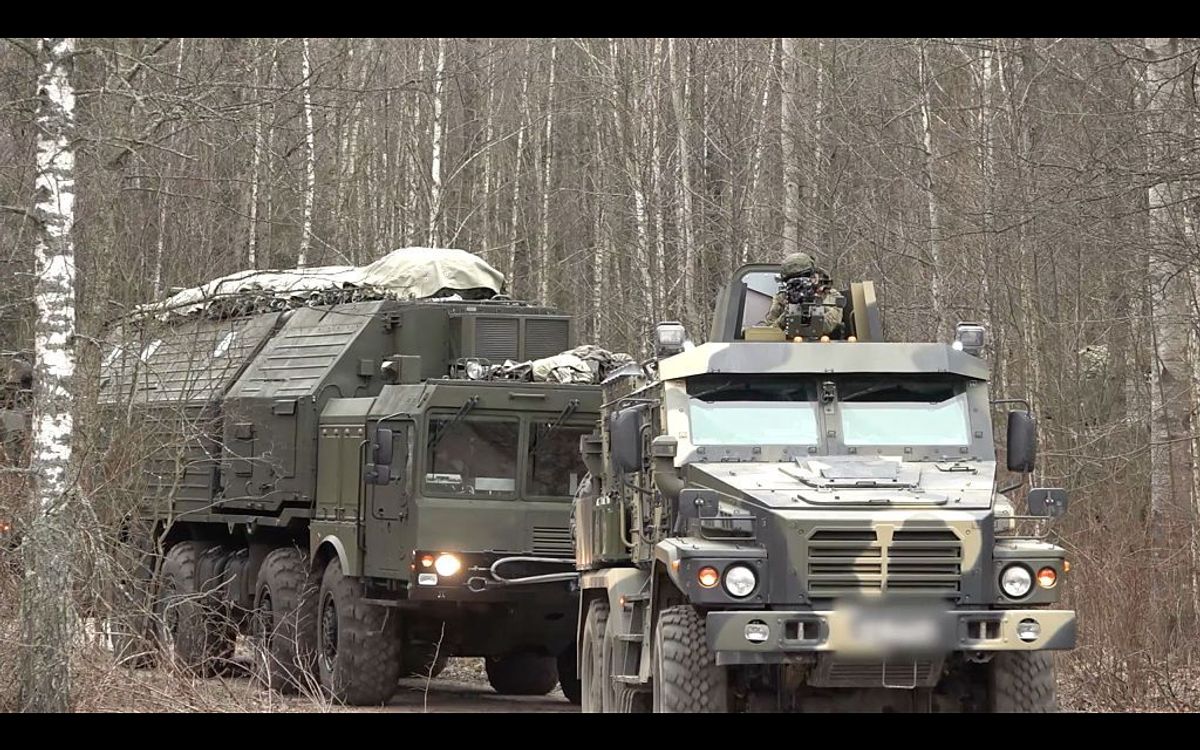
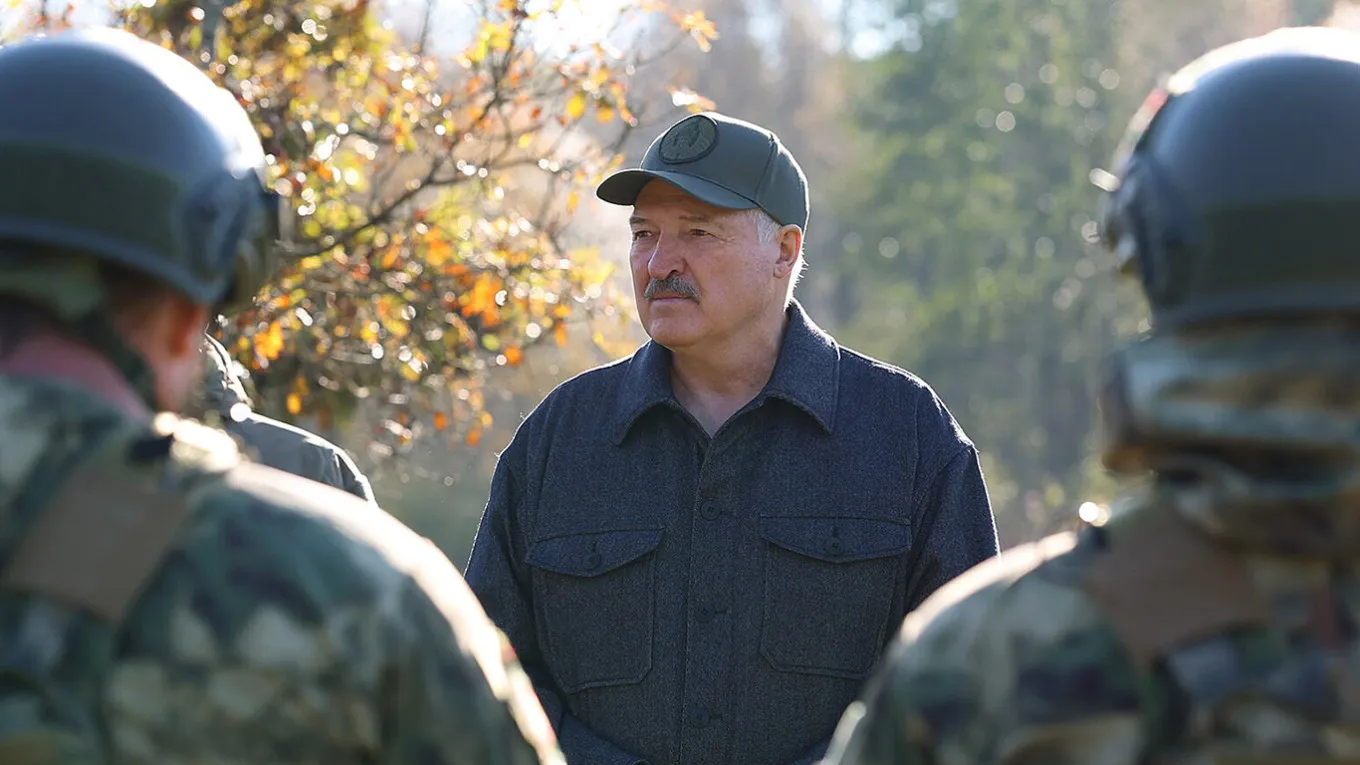
Recent reporting indicates that Belarusian territory and infrastructure may support Russian drone operations and potentially future ballistic-missile strikes against western Ukraine. President Alexander Lukashenko has also discussed creating armed “people’s militia” units in every village council, while Ukrainian President Volodymyr Zelenskyy warned on October 17–18 that Russia could expand missile and drone activity from Belarus. These developments involve Belarus’s role in an external war rather than a conflict already occurring on Belarusian territory.
The largest uncertainty is whether Russia’s military use of Belarusian territory expands in a way that triggers Ukrainian retaliation or direct Belarusian participation. Risk would rise if missiles, drones, Russian forces, or Ukrainian counter-strikes began causing sustained violence inside Belarus; it would fall if such deployments remained limited and Minsk preserved effective control over domestic armed formations. No prediction market was identified.
Probability trend
Sep 30
Oct 5
Oct 12
Oct 15
Oct 19
Date
Source: UCDP
No active conflicts in Belarus.
Regional context
Belarus ranks number 91 of 196 in new conflict outbreak risk.
Figures are each country's modelled probability of a new armed conflict on its territory within the next 12 months. Select any country to open its full profile.
nashaniva.com
kyivindependent.com
ua.news