
Silfio country intelligence · LVA
Latvia
0.3% annual new-conflict probability
How to read these probabilities: Scores estimate the probability of a new armed conflict starting within the next 12 months. Ongoing conflicts can have a saturation effect, reducing the modelled probability of an additional conflict onset. A low or falling score does not imply less severe ongoing fighting or a safer country.
Population
1.85M
GDP
$48.62B
Currency
EUR
Capital
Riga
Land area
64.56K km²
Official languages
Latvian
Risk assessment
Risk profile
Latvia’s 12-month probability of a new armed-conflict onset is 0.3%, a minimal risk. Strong institutions, EU and NATO membership, capable security partners, and the absence of a recent domestic armed conflict support resilience. Latvia’s historical experience of occupation and its position beside Russia and Belarus remain important long-run exposure factors, but they are offset by alliance deterrence and limited indications of internal mobilisation.
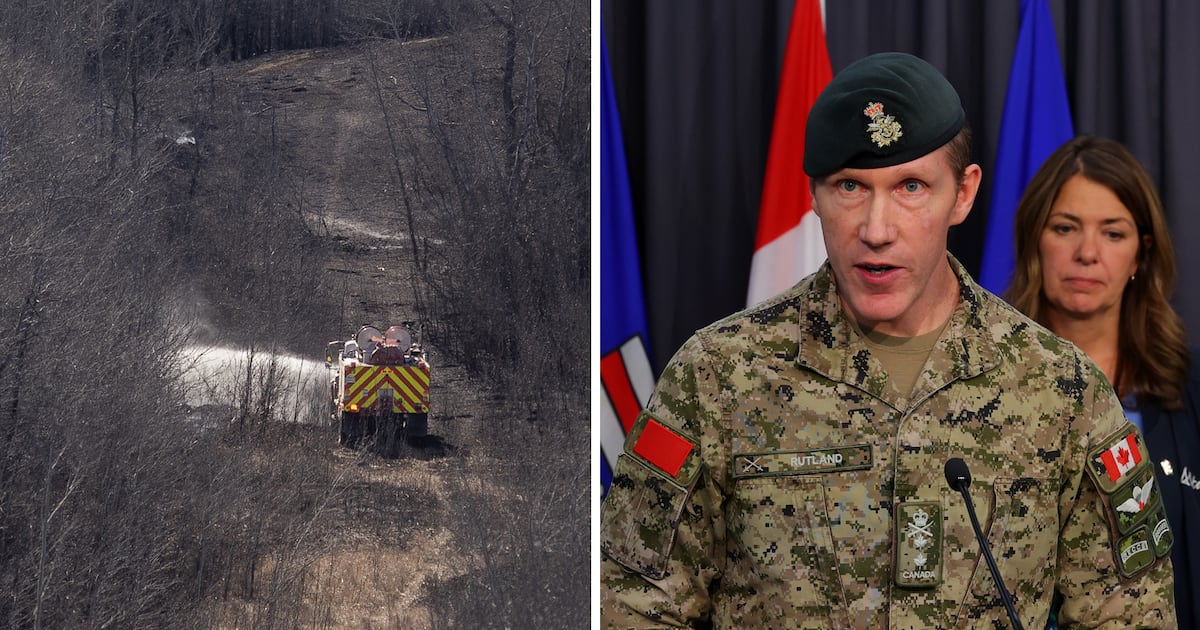
Recent reporting highlights a possible drone threat near Latvia’s southern border. On 18 October, Lithuania destroyed a suspected drone as it approached Latvia; Latvian authorities briefly issued warnings covering Bauska, Aizkraukle, and Ogre, while NATO aircraft were scrambled and Kaunas airport closed. Canada’s planned reinforcement of its brigade in Latvia also demonstrates allied commitment, although a fatal training-area fire in Canada killed four personnel and injured 39.
The main uncertainty is whether the drone episode reflected an intentional hostile operation, spillover from regional fighting, or an isolated incident. Risk would rise with a confirmed cross-border attack, repeated incursions, or mobilisation involving Latvian territory; it would fall with clear attribution to a non-hostile cause and continued effective NATO air and territorial defence.
Strategic reasoning
- Latvia’s NATO and EU membership, functioning institutions, and allied military presence make coercion or an internal armed challenge difficult to sustain. Its history of occupation and proximity to Russia and Belarus nevertheless keep interstate exposure relevant.
- The suspected drone approaching Latvia is the clearest recent escalatory signal, but the reported response—warnings, NATO fighter activity, and destruction of the drone in Lithuania—also shows rapid regional detection and defence.
- The Canadian base fire occurred abroad and is not an onset on Latvian territory; the planned deployment instead reinforces deterrence and separates an overseas accident from Latvia’s conflict risk.
Critical indicators
- On 18 October 2026, Lithuania destroyed a suspected drone as it approached Latvia; Latvia briefly warned municipalities including Bauska, Aizkraukle, and Ogre. The incident raises concern about airspace violations but did not itself produce armed violence in Latvia.
- On 18 October 2026, NATO fighters were scrambled and Kaunas airport was closed during the regional drone alert, while Latvia issued a yellow-level warning in southern areas. The coordinated response indicates heightened vigilance around the Baltic states.
- On 18 October 2026, a fire at Canada’s CFB Wainwright killed four personnel and injured at least 39 during training for a planned deployment to reinforce Canada’s brigade in Latvia. The incident is outside Latvia, while the stated reinforcement plan supports allied deterrence.
Probability trend
How the Latvia estimate has moved
Probability0.3%0.3%0.3%
Sep 30
Oct 5
Oct 12
Oct 15
Oct 19
Date
Current conflicts
Source: UCDP
No active conflicts in Latvia.
Regional context
Latvia compared with its neighbours and region
Latvia ranks number 153 of 196 in new conflict outbreak risk.
Land neighbours
Figures are each country's modelled probability of a new armed conflict on its territory within the next 12 months. Select any country to open its full profile.
Related coverage

cp24.com