indianexpress.com
Silfio country intelligence · IDN

How to read these probabilities: Scores estimate the probability of a new armed conflict starting within the next 12 months. Ongoing conflicts can have a saturation effect, reducing the modelled probability of an additional conflict onset. A low or falling score does not imply less severe ongoing fighting or a safer country.
285.72M
$1.45T
IDR
Jakarta
1.9M km²
Indonesian
Risk assessment
The live 12-month probability is 10.1%, representing a high risk. Indonesia’s large economy and state capacity support stability, but its history includes severe communal violence, separatist conflict in Aceh and Papua, and the 1998–2002 upheaval surrounding regime change. Regional inequality, contested central–local authority, and unresolved grievances in Papua remain relevant sources of armed-conflict risk.
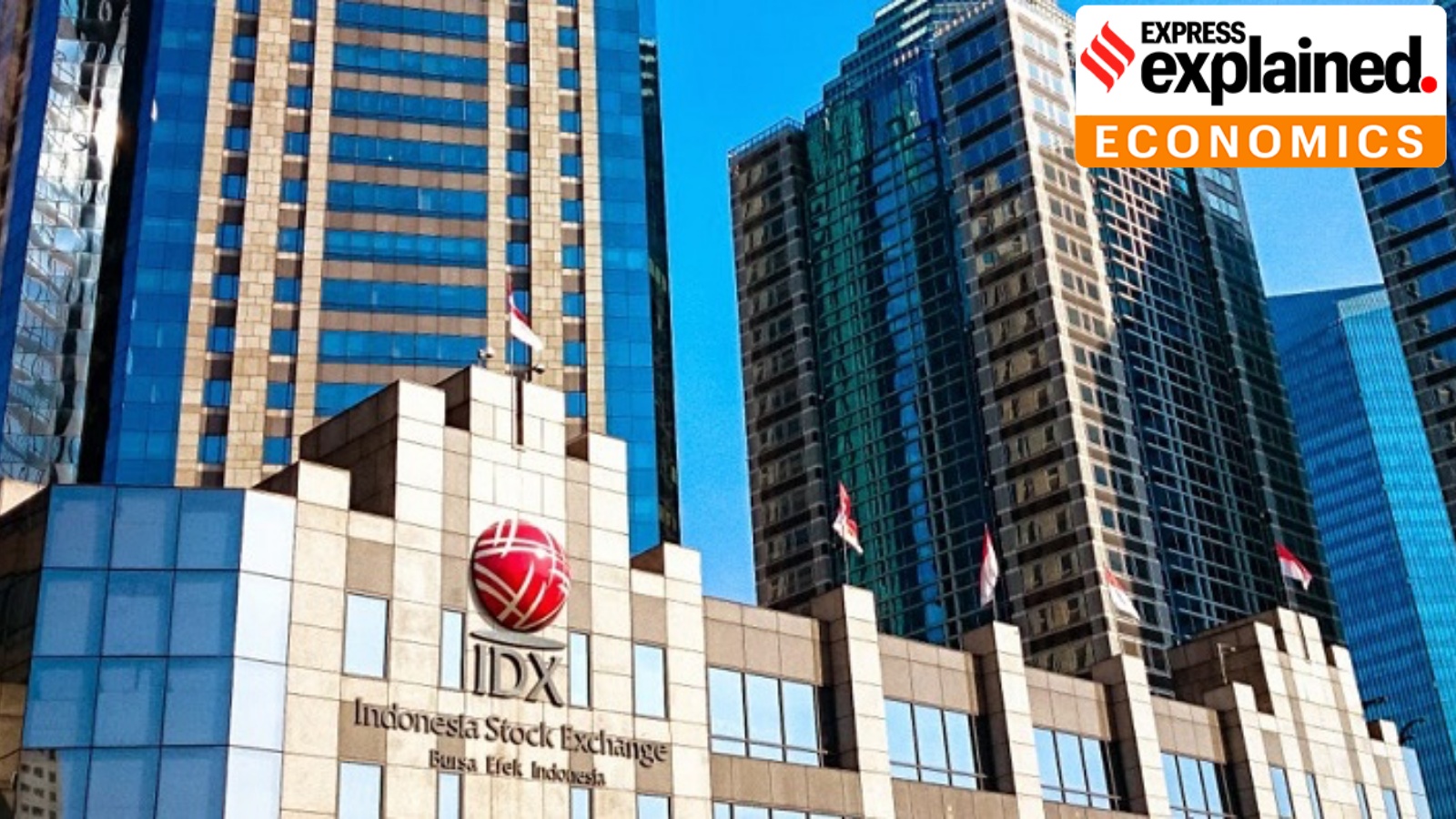
Recent reporting highlights a sharp deterioration in investor confidence: MSCI plans to downgrade Indonesian indices from emerging-market status to “Standalone,” amid concerns about market access and governance. The development points to economic and institutional pressure, but the available reporting does not identify an imminent armed mobilisation. The principal domestic risk actors remain separatist and insurgent networks in Papua, alongside potential communal or political challengers; no neighbouring state is currently identified as preparing an attack on Indonesian territory.
The largest uncertainty is whether economic and governance frustrations translate into organised violence rather than remaining political or financial disputes. Risk would rise with sustained clashes in Papua, a major communal confrontation, or a breakdown in Jakarta’s control; it would fall with durable de-escalation and credible political settlement efforts in conflict-affected regions.
Probability trend
Sep 30
Oct 5
Oct 12
Oct 15
Oct 19
Date
Source: UCDP · Data to 31 Aug 2026
Indonesia: West Papua
Regional context
Indonesia ranks number 34 of 196 in new conflict outbreak risk.
Figures are each country's modelled probability of a new armed conflict on its territory within the next 12 months. Select any country to open its full profile.
indianexpress.com