www.aljazeera.com
Silfio country intelligence · MMR

How to read these probabilities: Scores estimate the probability of a new armed conflict starting within the next 12 months. Ongoing conflicts can have a saturation effect, reducing the modelled probability of an additional conflict onset. A low or falling score does not imply less severe ongoing fighting or a safer country.
54.85M
$81.67B
MMK
Naypyidaw
676.58K km²
Burmese
Risk assessment
The 12-month probability of a new armed-conflict onset in Myanmar is 25.9%, a critical risk. The country’s recent history includes the 2021 military coup, prolonged civil war, repeated ethnic insurgencies, weak civilian institutions, and limited state control across large borderland areas. These conditions make further localized or cross-border violence on Myanmar’s territory plausible even when conflict is already occurring elsewhere in the country.
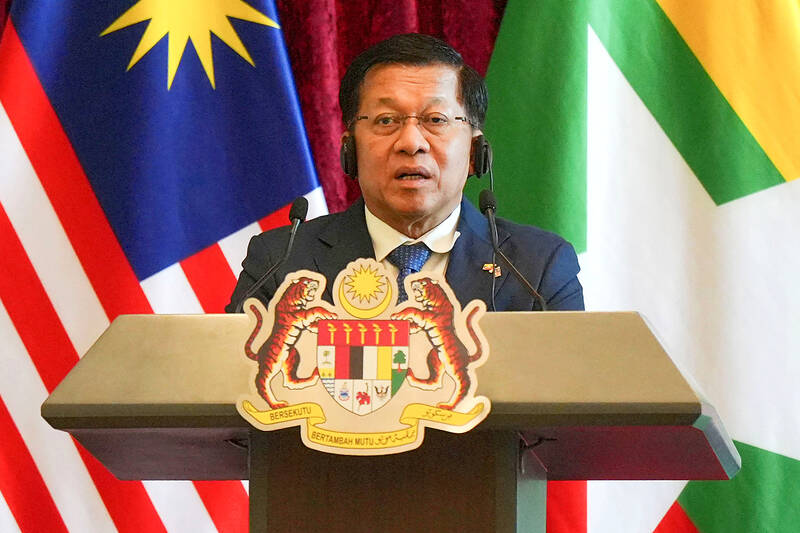
Recent reporting shows the military-backed government under Min Aung Hlaing remains internationally contested while continuing its campaign against armed opponents. ASEAN leaders are increasingly engaging with the authorities, and the United States held a second set of talks with Myanmar’s rulers in Tokyo within a month, discussing scam centres, rare earths, and diplomatic contacts. These developments involve the junta, the United States, ASEAN governments, ethnic armed organisations, and resistance forces.
The largest uncertainty is whether external engagement produces political restraints or instead gives the military greater confidence to intensify coercion and provoke new fronts. Risk would rise with a major military offensive, an ethnic-army breakdown of ceasefire arrangements, or cross-border escalation reaching Myanmar; sustained negotiations, local ceasefires, and reduced military operations would lower it.
Probability trend
Sep 30
Oct 5
Oct 12
Oct 15
Oct 19
Date
Source: UCDP · Data to 31 Aug 2026
Myanmar (Burma): Government
Myanmar (Burma): Arakan
Myanmar (Burma): Karen
Myanmar (Burma): Kachin
Regional context
Myanmar ranks number 10 of 196 in new conflict outbreak risk.
Figures are each country's modelled probability of a new armed conflict on its territory within the next 12 months. Select any country to open its full profile.
www.aljazeera.com