www.hindustantimes.com
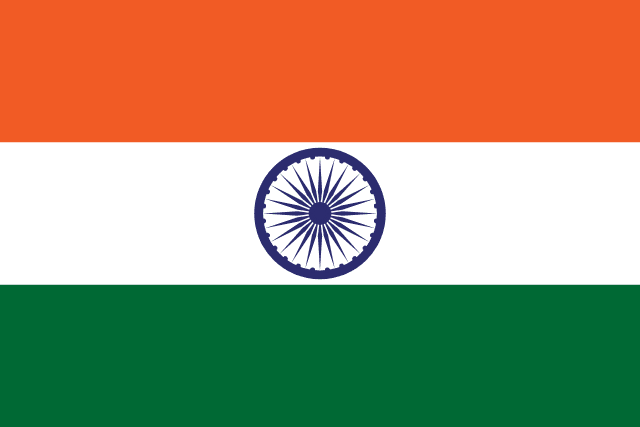
Silfio country intelligence · IND
How to read these probabilities: Scores estimate the probability of a new armed conflict starting within the next 12 months. Ongoing conflicts can have a saturation effect, reducing the modelled probability of an additional conflict onset. A low or falling score does not imply less severe ongoing fighting or a safer country.
1.46B
$3.96T
INR
New Delhi
3.29M km²
English, Hindi, Tamil
Risk assessment
The live 12-month probability is 41.4%, making this a critical risk. India’s exposure reflects its history of major interstate wars with Pakistan and recurring armed confrontation around Kashmir, as well as prolonged Maoist insurgency and episodes of severe communal violence. Its large population, contested borders, and powerful security institutions create both resilience and multiple pathways for escalation.
Recent reporting shows political tensions through the detention of Abhijeet Dipke in Delhi ahead of planned anti-government demonstrations on 16 October. Separately, India remains exposed to pressure from the United States over Russian oil, although Washington’s sanctions pause has reduced immediate economic friction. The principal external actors are Pakistan, China, and the United States; domestic protest groups and insurgent networks remain relevant internal actors. Prediction markets imply 11.0% for an India-Pakistan strike and 6.0% for a China-India clash by 31 December 2026, providing separate, partial context.
The largest uncertainty is whether political unrest or a border crisis crosses into sustained armed violence on Indian territory. Risk would rise most clearly after a deadly cross-border attack, major mobilisation or exchange with Pakistan or China, or organised domestic violence involving armed groups. It would fall with durable border calm, effective protest management without lethal escalation, and continued containment of insurgent activity.
Probability trend
Sep 30
Oct 5
Oct 12
Oct 15
Oct 19
Date
Source: UCDP · Data to 31 Aug 2026
India: Government
India: Kashmir
Regional context
India ranks number 4 of 196 in new conflict outbreak risk.
Figures are each country's modelled probability of a new armed conflict on its territory within the next 12 months. Select any country to open its full profile.
www.hindustantimes.com
timesofindia.indiatimes.com