
independent.co.uk
Silfio country intelligence · MDV
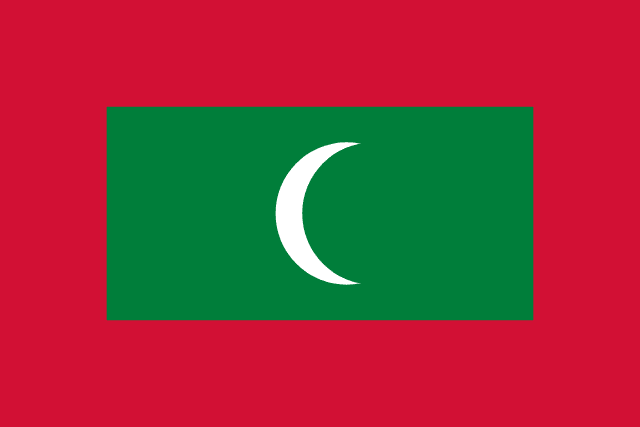
How to read these probabilities: Scores estimate the probability of a new armed conflict starting within the next 12 months. Ongoing conflicts can have a saturation effect, reducing the modelled probability of an additional conflict onset. A low or falling score does not imply less severe ongoing fighting or a safer country. Existing conflicts are assessed through scenario analysis.
529.68K
$7.74B
MVR
Malé
300 km²
Maldivian
Risk assessment
The 12-month probability of a new armed-conflict onset in the Maldives is 0.5%, a minimal risk. The country has limited military capacity, small and geographically dispersed communities, and no recent history of sustained civil war or insurgency. Political competition and institutional tensions have periodically produced unrest, but these have generally remained below the threshold of organized armed conflict.
Recent reporting reviewed provides no specific indication of an armed escalation on Maldivian territory. The principal domestic actors are the government, security services, opposition parties, and politically mobilized supporters; none is currently identified as waging sustained armed violence. No prediction market is available for the Maldives.
The largest uncertainty is whether a severe political crisis, economic shock, or security-service split could transform episodic unrest into organized violence. Risk would rise most clearly with armed defections, attacks by organized domestic groups, or sustained clashes involving security forces; it would remain contained if political disputes continue to be managed through elections, courts, and policing.
Probability trend
Aug 26
Sep 1
Sep 7
Sep 21
Sep 30
Date
Source: UCDP
No active conflicts in Maldives.
Regional context
Maldives ranks number 137 of 195 in new conflict outbreak risk.
Figures are each country's modelled probability of a new armed conflict on its territory within the next 12 months. Select any country to open its full profile.
independent.co.uk