/https%3A%2F%2Fsportsmole-media-prod.s3.gra.io.cloud.ovh.net%2Fuploads%2F2025%2F06%2Fluis-fernando-tena-684cc50a9d89c889576503.jpg)
www.sportsmole.co.uk
Silfio country intelligence · GTM
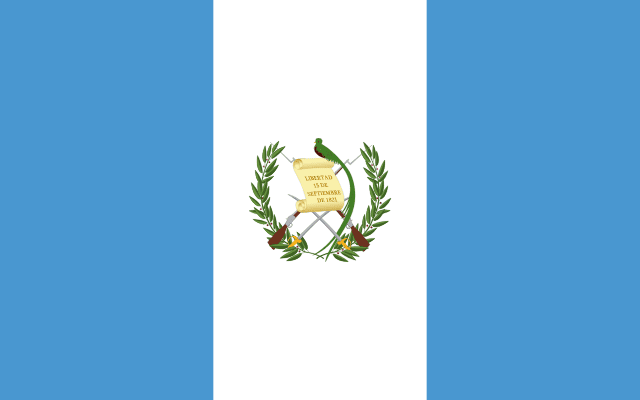
How to read these probabilities: Scores estimate the probability of a new armed conflict starting within the next 12 months. Ongoing conflicts can have a saturation effect, reducing the modelled probability of an additional conflict onset. A low or falling score does not imply less severe ongoing fighting or a safer country.
18.69M
$123.31B
GTQ
Guatemala City
108.89K km²
Spanish
Risk assessment
The 12-month probability of a new armed-conflict onset in Guatemala is 2.0%, representing a low risk. The principal long-run factors are the country’s history of civil war, which ended in 1996, persistent institutional weaknesses, limited state capacity in some regions, and entrenched criminal violence. These conditions sustain some exposure to renewed organised armed confrontation, but do not by themselves indicate an imminent conflict onset.
Recent reporting supplied for this assessment contains no specific development indicating mobilisation by the government, insurgent organisations, neighbouring states, or other armed groups toward fighting on Guatemalan territory. No prediction market is available. The relevant distinction is between criminal insecurity and a new sustained internal or interstate conflict.
The largest uncertainty is whether political, territorial, or criminal disputes could exceed the state’s capacity to contain them and produce organised armed violence. Risk would rise most clearly with sustained clashes involving insurgent or paramilitary actors, while continued containment of political and criminal disputes by national security institutions would support the current low-risk assessment.
Probability trend
Sep 30
Oct 5
Oct 12
Oct 15
Oct 19
Date
Source: UCDP
No active conflicts in Guatemala.
Regional context
Guatemala ranks number 90 of 196 in new conflict outbreak risk.
Figures are each country's modelled probability of a new armed conflict on its territory within the next 12 months. Select any country to open its full profile.
www.sportsmole.co.uk