www.africaintelligence.com
Silfio country intelligence · LBY
Libya
18.3% annual new-conflict probability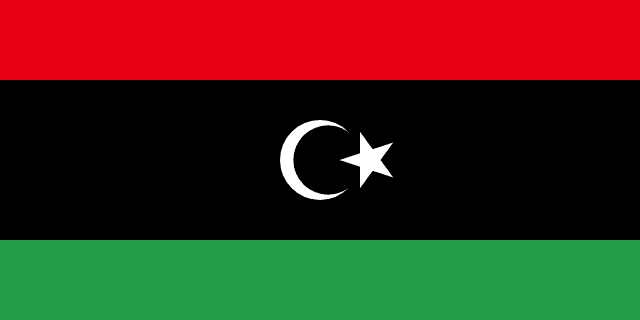
How to read these probabilities: Scores estimate the probability of a new armed conflict starting within the next 12 months. Ongoing conflicts can have a saturation effect, reducing the modelled probability of an additional conflict onset. A low or falling score does not imply less severe ongoing fighting or a safer country.
Population
7.46M
GDP
$48.1B
Currency
LYD
Capital
Tripoli
Land area
1.76M km²
Official languages
Arabic
Risk assessment
Risk profile
The 12-month probability of a new armed-conflict onset in Libya is 18.3%, representing a high risk. Libya’s history of civil war, militia competition, divided political institutions, and weak state control leaves disputes vulnerable to rapid militarisation. Rival authorities and armed networks in the west and east retain the capacity to mobilise, while unresolved questions over political legitimacy, security control, and resource distribution continue to threaten the fragile calm.
Recent reporting highlights serious coercion in eastern Libya under forces led by Khalifa Haftar. Human Rights Watch says at least 31 people have been executed since late August and warns that 50 detainees at Gernada military prison face imminent execution. Separately, the Azawad Liberation Front’s effort to obtain financial and military support from Benghazi and the United Arab Emirates has increased friction with Algeria, adding an external dimension to Libya’s armed networks.
The main uncertainty is whether repression and foreign-backed manoeuvring remain contained or trigger retaliation, militia mobilisation, or renewed clashes between rival Libyan centres of power. Risk would rise most clearly with sustained fighting between major armed factions or an organised cross-border intervention reaching Libya; it would fall with a durable security agreement that constrains commanders and protects political and judicial processes.
Strategic reasoning
- Libya’s repeated civil wars and fragmented security institutions make a local confrontation capable of expanding quickly. Rival administrations and powerful armed groups remain central to any potential new onset, even when violence is concentrated in repression or detention.
- The reported executions and threatened executions are a strong escalatory signal because they deepen grievances and can provoke retaliation. The absence of reported major clashes in these developments distinguishes the current evidence from an already ongoing nationwide armed conflict.
- External support remains a risk multiplier: Benghazi’s reported links with the Azawad Liberation Front and the UAE could draw Algeria more directly into competing security networks. Libya’s divided authorities and limited accountability make such pressure harder to contain.
Critical indicators
- On 16 October 2026, Human Rights Watch warned that at least 50 detainees at Gernada military prison in eastern Libya faced imminent execution. The warning followed reports that forces led by Khalifa Haftar had executed at least 31 people after unfair military trials, increasing the risk of retaliatory violence.
- On 16 October 2026, reporting said the Azawad Liberation Front had sought financial and military backing from Benghazi and the United Arab Emirates, angering Algeria. This links Libya’s eastern authorities and foreign partners to wider Sahel competition and raises the possibility of cross-border escalation reaching Libyan territory.
Probability trend
How the Libya estimate has moved
Probability20.7%19.5%18.3%
Sep 30
Oct 5
Oct 12
Oct 15
Oct 19
Date
Current conflicts
Source: UCDP
No active conflicts in Libya.
Regional context
Libya compared with its neighbours and region
Libya ranks number 17 of 196 in new conflict outbreak risk.
Northern Africa
Figures are each country's modelled probability of a new armed conflict on its territory within the next 12 months. Select any country to open its full profile.
Related coverage

www.middleeastmonitor.com
Human Rights Watch warns 50 detainees face imminent execution in eastern Libya – Middle East Monitor
Read source
jinhaagency.com