Silfio country intelligence · NER
Niger
17.9% annual new-conflict probability
How to read these probabilities: Scores estimate the probability of a new armed conflict starting within the next 12 months. Ongoing conflicts can have a saturation effect, reducing the modelled probability of an additional conflict onset. A low or falling score does not imply less severe ongoing fighting or a safer country.
Population
27.92M
GDP
$21.65B
Currency
XOF
Capital
Niamey
Land area
1.27M km²
Official languages
French
Risk assessment
Risk profile
Niger faces a 17.9% 12-month probability of a new armed-conflict onset, placing it in the high risk category. The main long-run drivers are its history of coups and political instability, limited state capacity, weak economic resilience, and persistent insecurity across the Sahel. These conditions can make political crises or local violence more likely to spread into sustained fighting on Nigerien territory.
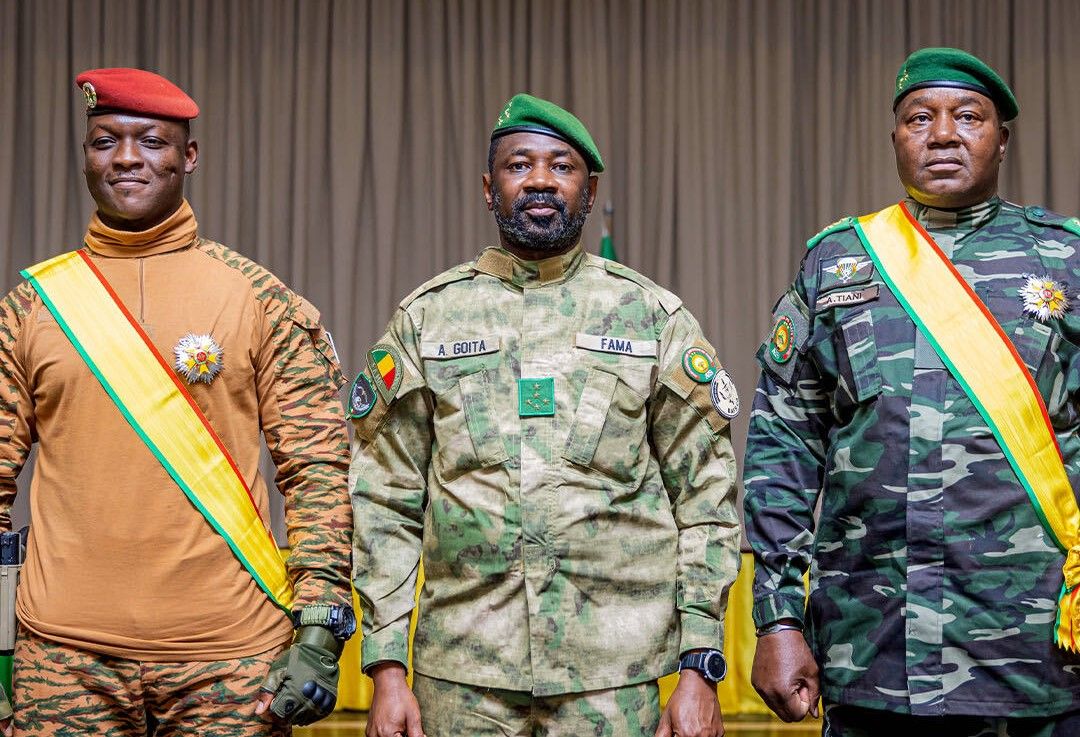
Recent reporting shows Niger, Burkina Faso, and Mali have resumed dialogue with ECOWAS after formally leaving the bloc in January 2025. The talks, involving the Alliance of Sahel States and ECOWAS representatives, indicate continuing regional tension but also provide a channel for managing disputes. Niger’s military authorities and neighbouring governments remain the principal political actors, while jihadist groups continue to shape the security environment.
The largest uncertainty is whether regional diplomacy can contain political disagreements while Niger’s internal security pressures persist. A renewed confrontation with ECOWAS, further military or political rupture, or a major escalation by armed groups would raise risk; sustained dialogue, improved regional coordination, and effective containment of violence would lower it.
Strategic reasoning
- Niger’s record of coups, weak institutions, limited economic capacity, and prolonged exposure to Sahelian insurgency leave it vulnerable to a new escalation. Fighting already underway does not itself constitute a new onset, but it increases the risk that a separate crisis could produce broader armed conflict.
- Resumed ECOWAS–Alliance of Sahel States talks are the clearest stabilising signal, while the states’ withdrawal from ECOWAS and continuing regional fragmentation remain important escalatory pressures.
Critical indicators
- In January 2025, Niger, Burkina Faso, and Mali formally withdrew from ECOWAS. The rupture reduced established regional mechanisms for political and security coordination and heightened uncertainty around future disputes.
- In October 2026 reporting, the three Sahel states resumed dialogue with ECOWAS; Burkina Faso’s Foreign Minister Karamoko Traore led the Alliance delegation, while Senegal’s Foreign Minister Cheikh Niang led the ECOWAS team. The contact creates a channel for de-escalation but confirms that the regional dispute remains active.
Probability trend
How the Niger estimate has moved
Probability18.9%18.4%17.9%
Sep 30
Oct 5
Oct 12
Oct 15
Oct 19
Date
Current conflicts
Source: UCDP · Data to 31 Aug 2026
Niger: Islamic State
532Deaths (last 12 months)- Opposition
- IS
- Started
- 30 Mar 2015
Niger: Government
246Deaths (last 12 months)- Opposition
- JNIM
- MPLJ
- Started
- 9 Dec 2021
Regional context
Niger compared with its neighbours and region
Niger ranks number 19 of 196 in new conflict outbreak risk.
Figures are each country's modelled probability of a new armed conflict on its territory within the next 12 months. Select any country to open its full profile.
Related coverage

www.afropolitain.com