www.channelstv.com
Silfio country intelligence · SEN
Senegal
9.3% annual new-conflict probability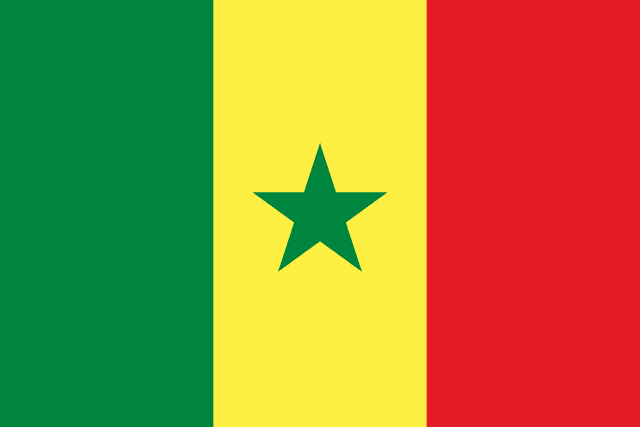
How to read these probabilities: Scores estimate the probability of a new armed conflict starting within the next 12 months. Ongoing conflicts can have a saturation effect, reducing the modelled probability of an additional conflict onset. A low or falling score does not imply less severe ongoing fighting or a safer country.
Population
18.93M
GDP
$37.01B
Currency
XOF
Capital
Dakar
Land area
196.72K km²
Official languages
French
Risk assessment
Risk profile
The live 12-month probability is 9.3%, representing a high risk of a new armed-conflict onset in Senegal. The main longer-term factors are the country’s history of separatist violence in Casamance, recurring political confrontations, and periodic mass protests that have tested institutions and public order. These risks coexist with relatively capable state institutions and a longstanding record of electoral competition.
Recent reporting points to social and political pressures rather than an active nationwide armed mobilisation. The government’s crackdown on LGBTQ+ people, including a March increase in the maximum prison term for same-sex relations to 10 years, could deepen polarisation. Friction over construction for the Dakar Youth Olympic Games has also generated complaints from affected residents and traders. Senegal’s foreign minister is leading renewed ECOWAS talks with Burkina Faso, Niger, and Mali, while Macky Sall’s UN candidacy withdrawal is politically notable but not an armed-conflict indicator.
The largest uncertainty is whether political or social grievances could connect with organised actors or trigger sustained violence. A major crackdown, disputed political process, or renewed militant activity in Casamance would raise risk; effective policing, dialogue, and containment of protests would lower it.
Strategic reasoning
- Senegal’s history of separatist conflict in Casamance and episodes of intense political protest provide established pathways from political grievance to organised violence. Any new onset would need to be distinguished from violence already associated with that longstanding conflict.
- Current signals are chiefly polarising social policy and localised construction-related discontent, while functioning state institutions and ECOWAS diplomacy provide stabilising channels that can contain escalation.
Critical indicators
- In March 2026, the government doubled the maximum prison term for same-sex relations to 10 years; reporting also describes forced HIV testing and difficulties obtaining legal representation. The measures may intensify social polarisation and distrust of state institutions.
- In October 2026, Senegal’s Foreign Minister Cheikh Niang led ECOWAS talks with Burkina Faso, Niger, and Mali after their withdrawal from the regional bloc. Continued regional diplomacy reduces the likelihood that cross-border tensions immediately translate into violence on Senegalese territory.
- In October 2026, residents and traders around Dakar reported dissatisfaction over disruption and unfinished works ahead of the Youth Olympic Games. The grievances are localised, but a poorly managed mobilisation could add pressure to already sensitive urban politics.
Probability trend
How the Senegal estimate has moved
Probability9.3%9.3%9.3%
Sep 30
Oct 5
Oct 12
Oct 15
Oct 19
Date
Current conflicts
Source: UCDP
No active conflicts in Senegal.
Regional context
Senegal compared with its neighbours and region
Senegal ranks number 39 of 196 in new conflict outbreak risk.
Land neighbours
Figures are each country's modelled probability of a new armed conflict on its territory within the next 12 months. Select any country to open its full profile.
Related coverage

