apnews.com
Silfio country intelligence · BGR
Bulgaria
0.9% annual new-conflict probability
How to read these probabilities: Scores estimate the probability of a new armed conflict starting within the next 12 months. Ongoing conflicts can have a saturation effect, reducing the modelled probability of an additional conflict onset. A low or falling score does not imply less severe ongoing fighting or a safer country.
Population
6.43M
GDP
$130.78B
Currency
BGN
Capital
Sofia
Land area
110.88K km²
Official languages
Bulgarian
Risk assessment
Risk profile
The live 12-month probability is 0.9%, a minimal risk. Bulgaria’s EU and NATO membership, functioning state institutions, and absence of a recent civil war, insurgency, or sustained domestic armed violence support a low likelihood of a new conflict on its territory. Its post-1989 political disputes have generally remained within constitutional and electoral channels.
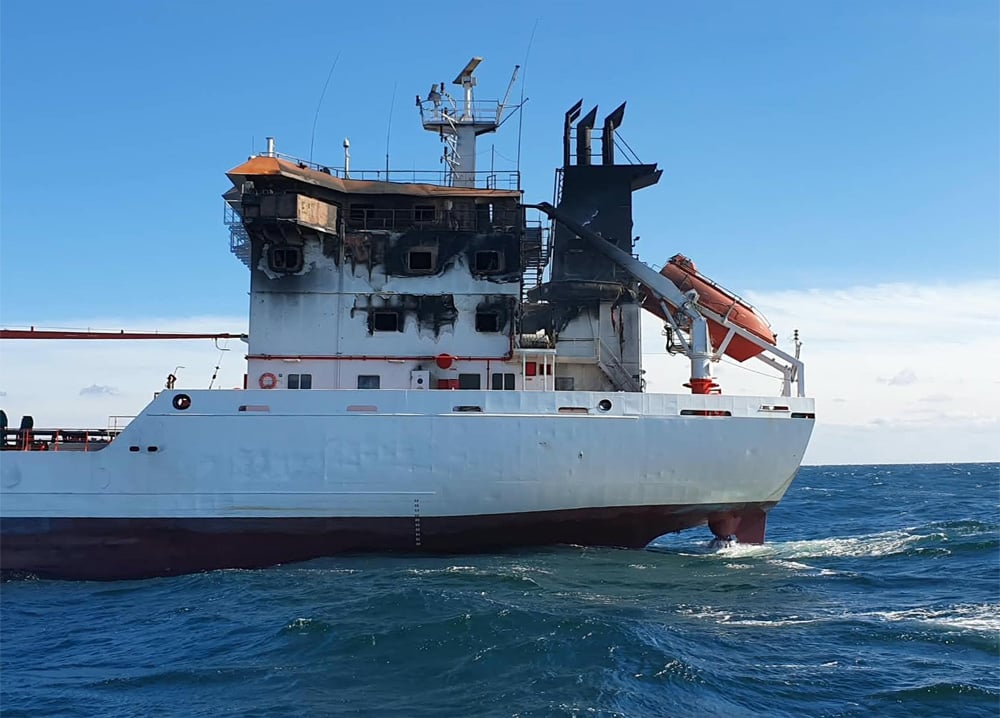
Recent Black Sea attacks near Bulgaria and Romania have increased exposure to the Russia–Ukraine war. Four merchant ships were reportedly hit in Bulgaria’s exclusive economic zone, prompting Defence Minister Dimitar Stoyanov to seek NATO aircraft, air-defence missiles, and counter-drone systems. Russia, Ukraine, NATO, and Bulgarian authorities are the principal actors; the reported incidents have not established a new armed conflict on Bulgarian land.
The largest uncertainty is whether further attacks, navigation errors, or drone incidents would cross from maritime or airspace exposure into a deliberate strike on Bulgarian territory. Risk would rise most clearly after a confirmed armed attack inside Bulgaria or sustained domestic violence; continued NATO patrols, air-defence support, and containment of incidents to offshore waters would support the minimal level.
Strategic reasoning
- Bulgaria’s NATO and EU commitments, state capacity, and absence of recent internal armed conflict provide strong barriers to a new domestic onset.
- The Black Sea attacks are the clearest escalatory signal, but fighting or strikes confined to offshore areas do not themselves constitute conflict on Bulgarian territory.
- Bulgaria’s request for NATO aircraft and counter-drone capabilities is a stabilising response that improves deterrence and incident management.
Critical indicators
- On 14 October 2026, Defence Minister Dimitar Stoyanov told parliament that Bulgaria planned to join NATO’s counter-uncrewed aerial systems initiative after the Black Sea attacks, strengthening protection against drone spillover.
- On 18 October 2026, Stoyanov said partner NATO aircraft were expected in Bulgaria; four merchant ships had reportedly been hit in Bulgaria’s exclusive economic zone, prompting requests for aircraft, air defence, and counter-drone systems.
- The United States extended the Lukoil exemption for four Bulgarian companies until 24 April 2027, preserving economic continuity amid wider pressure linked to Russia.
Probability trend
How the Bulgaria estimate has moved
Probability0.9%0.9%0.9%
Sep 30
Oct 5
Oct 12
Oct 15
Oct 19
Date
Current conflicts
Source: UCDP
No active conflicts in Bulgaria.
Regional context
Bulgaria compared with its neighbours and region
Bulgaria ranks number 115 of 196 in new conflict outbreak risk.
Southeast Europe
Figures are each country's modelled probability of a new armed conflict on its territory within the next 12 months. Select any country to open its full profile.
Related coverage

kyivindependent.com
Russia's war reaches Bulgaria's shores, putting Radev's Moscow-friendly stance to the test
Read source