www.euronews.com
Silfio country intelligence · ROU

How to read these probabilities: Scores estimate the probability of a new armed conflict starting within the next 12 months. Ongoing conflicts can have a saturation effect, reducing the modelled probability of an additional conflict onset. A low or falling score does not imply less severe ongoing fighting or a safer country.
19.02M
$428.68B
RON
Bucharest
238.39K km²
Romanian
Risk assessment
Romania faces a 2.1% 12-month probability of a new armed-conflict onset on its territory, a low risk. Its NATO and EU membership, functioning state institutions, and substantial military capacity provide strong protection. Romania has not experienced sustained internal armed conflict since the 1989 revolution, supporting a generally stable domestic baseline, while its position beside Ukraine and on the Black Sea creates persistent exposure to spillover.
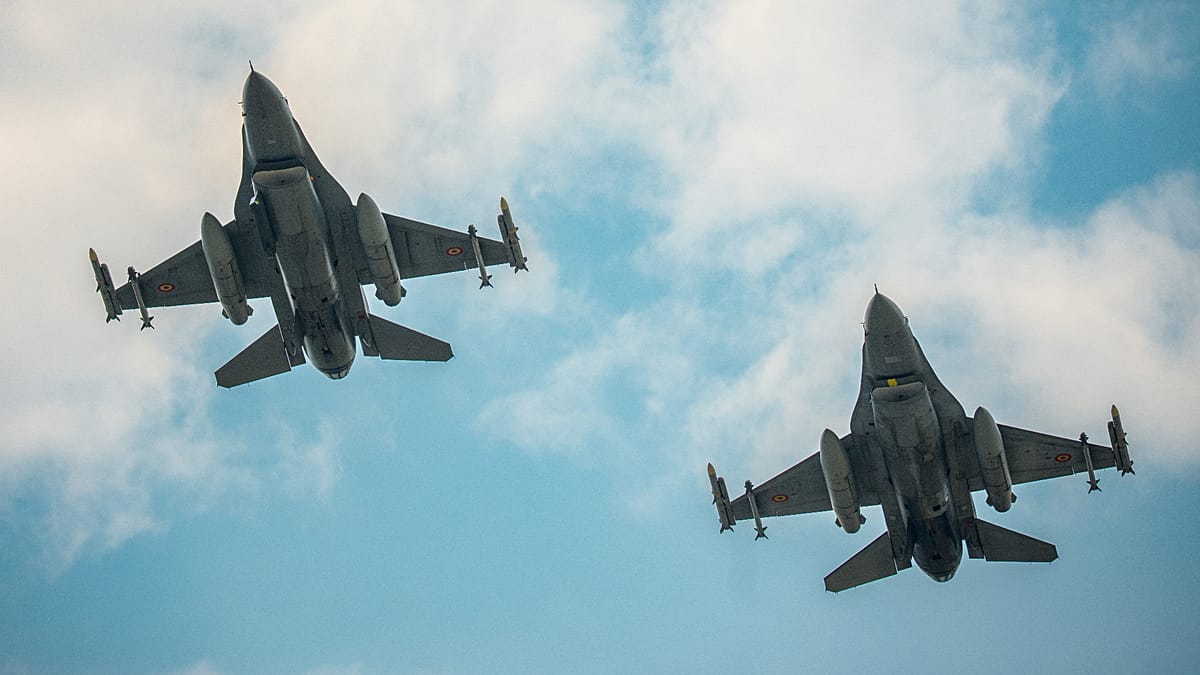
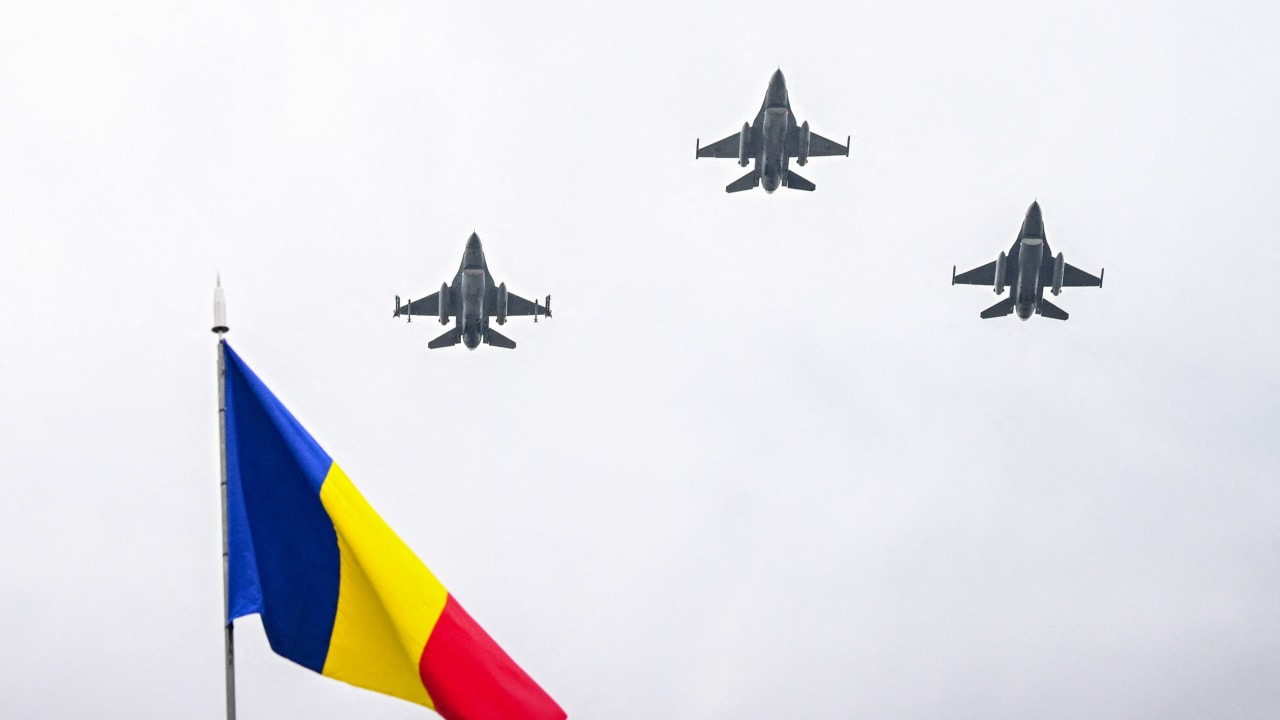
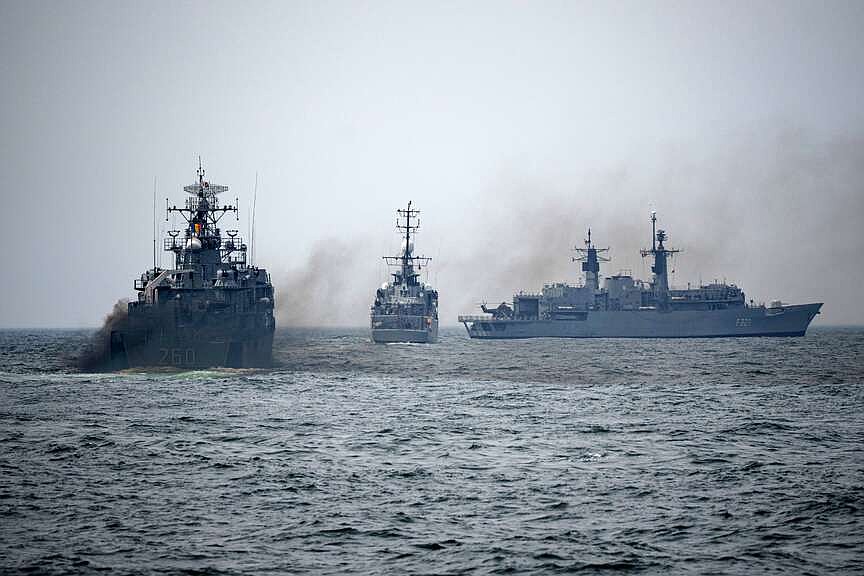
Recent reporting shows the main danger comes from Russia’s war against Ukraine and associated Black Sea activity. On 17 October, Romanian F-16s shot down two drones, amid repeated reported airspace incursions; attacks on at least seven cargo vessels and two tankers near Romania and Bulgaria have also raised concern about Russian testing of NATO’s response. Bucharest’s offer to help fund US troops and the planned NATO discussion of Black Sea hybrid threats reinforce deterrence.
The largest uncertainty is whether further maritime or aerial incidents remain contained or cause casualties and a direct confrontation on Romanian territory. Risk would rise with a confirmed strike, sustained incursion, or deliberate attack affecting Romanian land or installations; stronger NATO deployments, clearer attribution, and continued effective interception would lower the likelihood of a new onset.
Probability trend
Sep 30
Oct 5
Oct 12
Oct 15
Oct 19
Date
Source: UCDP
No active conflicts in Romania.
Regional context
Romania ranks number 86 of 196 in new conflict outbreak risk.
Figures are each country's modelled probability of a new armed conflict on its territory within the next 12 months. Select any country to open its full profile.
www.euronews.com
www.hotsr.com