
www.rfi.fr
Silfio country intelligence · TUR
How to read these probabilities: Scores estimate the probability of a new armed conflict starting within the next 12 months. Ongoing conflicts can have a saturation effect, reducing the modelled probability of an additional conflict onset. A low or falling score does not imply less severe ongoing fighting or a safer country.
85.88M
$1.6T
TRY
Ankara
783.56K km²
Turkish
Risk assessment
The 12-month probability of a new armed-conflict onset on Turkish territory is 18.4%, a high risk. Turkey’s history of armed confrontation with the PKK, recurrent political violence, military coups, and instability along its southern and eastern borders supports substantial exposure. Its large security apparatus and state capacity reduce the likelihood that tensions quickly become sustained internal conflict, but do not remove the possibility of escalation.
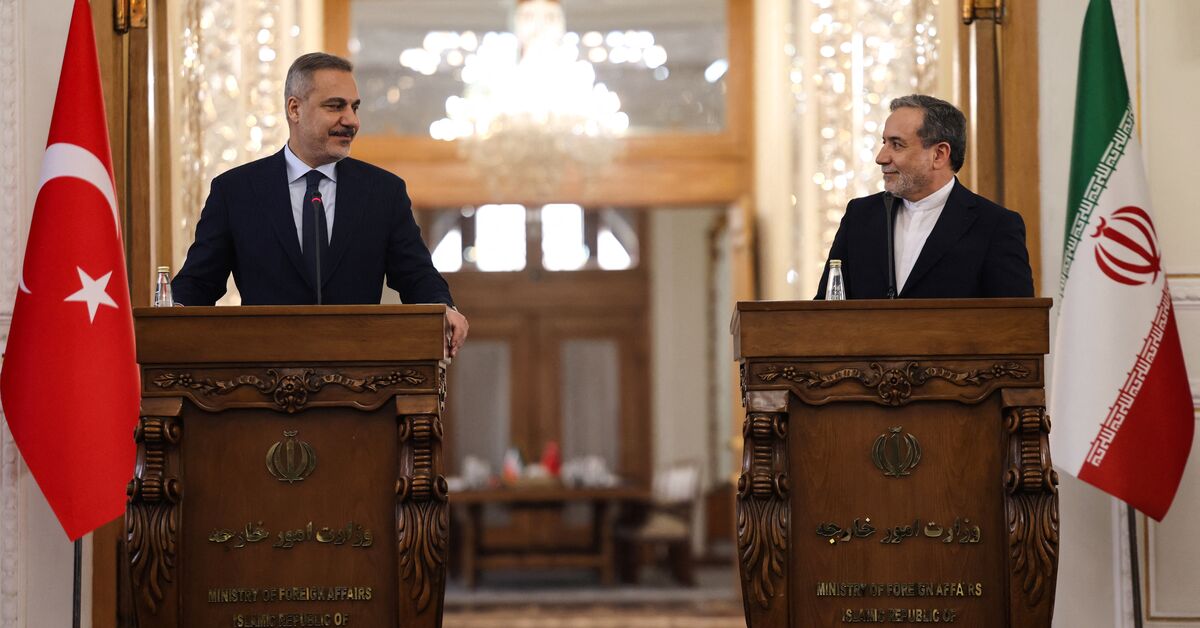
Recent reporting highlights growing pressure around the Black Sea after attacks on cargo ships in the waters of NATO members Bulgaria and Romania prompted an emergency alliance meeting. Turkey is also seeking Iran’s help to contain fighting between Saudi Arabia and the Houthis. These developments concern external theatres, but they could draw Ankara into sharper regional confrontations. Prediction markets imply 7.5% for an Israel–Turkey military clash and 4.6% for Greece–Turkey military engagement by December 31.
The largest uncertainty is whether regional incidents remain outside Turkey or generate retaliation, miscalculation, or militant spillover onto Turkish territory. A confirmed attack inside Turkey, renewed sustained PKK violence, or direct clashes involving Turkish forces near its borders would raise risk; effective containment of Black Sea and Middle Eastern tensions would lower it.
Probability trend
Sep 30
Oct 5
Oct 12
Oct 15
Oct 19
Date
Source: UCDP
No active conflicts in Türkiye.
Regional context
Türkiye ranks number 16 of 196 in new conflict outbreak risk.
Figures are each country's modelled probability of a new armed conflict on its territory within the next 12 months. Select any country to open its full profile.
www.rfi.fr
www.al-monitor.com