www.longwarjournal.org
Silfio country intelligence · LBN

How to read these probabilities: Scores estimate the probability of a new armed conflict starting within the next 12 months. Ongoing conflicts can have a saturation effect, reducing the modelled probability of an additional conflict onset. A low or falling score does not imply less severe ongoing fighting or a safer country.
5.85M
$25.97B
LBP
Beirut
10.45K km²
Arabic, French
Risk assessment
Lebanon faces a 12.2% probability of a new armed-conflict onset on its territory within 12 months, representing a high risk. The country’s history of civil war, recurrent Israel–Hezbollah wars, sectarian political competition, weak state capacity, and limited economic resources leave it vulnerable to renewed violence. Hezbollah’s autonomous military role has repeatedly constrained Beirut’s ability to control escalation.
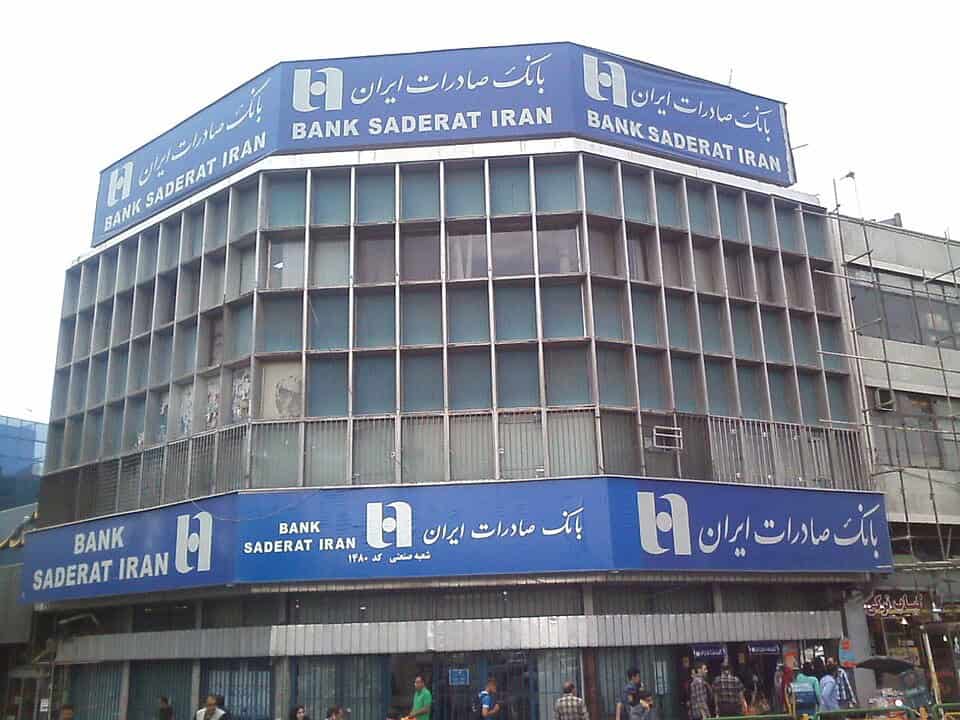
Recent reporting shows direct Israel–Hezbollah talks continuing after the war that began on March 2, while Israel maintains a presence in southern Lebanon and Hezbollah rebuilds political and financial capacity. President Joseph Aoun is seeking French and wider international help to prevent a security vacuum after any UN peacekeeping change. Beirut’s revocation of Bank Saderat Iran’s licence also places the government under pressure from both Washington and Hezbollah.
The largest uncertainty is whether diplomacy can produce a durable southern security arrangement and contain Hezbollah’s armed networks. Risk would rise with renewed Israeli strikes, Hezbollah attacks, a failed withdrawal or peacekeeping transition, or clashes over confiscated explosives; it would fall if talks secure a monitored ceasefire, restore state authority in the south, and prevent retaliatory violence.
Probability trend
Sep 30
Oct 5
Oct 12
Oct 15
Oct 19
Date
Source: UCDP
No active conflicts in Lebanon.
Regional context
Lebanon ranks number 28 of 196 in new conflict outbreak risk.
Figures are each country's modelled probability of a new armed conflict on its territory within the next 12 months. Select any country to open its full profile.
www.longwarjournal.org
www.haaretz.com

www.arabnews.com