www.theguardian.com
Silfio country intelligence · ISR
How to read these probabilities: Scores estimate the probability of a new armed conflict starting within the next 12 months. Ongoing conflicts can have a saturation effect, reducing the modelled probability of an additional conflict onset. A low or falling score does not imply less severe ongoing fighting or a safer country.
10.12M
$610.78B
ILS
Jerusalem
20.77K km²
Arabic, Hebrew
Risk assessment
The 12-month probability is 4.6%, a moderate risk. Israel’s long history of interstate wars, intifadas, terrorism, and repeated conflict with Hamas, Hezbollah, Iran, and other armed groups leaves persistent pathways to a new outbreak. Strong state capacity, military preparedness, and effective security institutions help contain threats but do not remove the danger of sudden escalation.
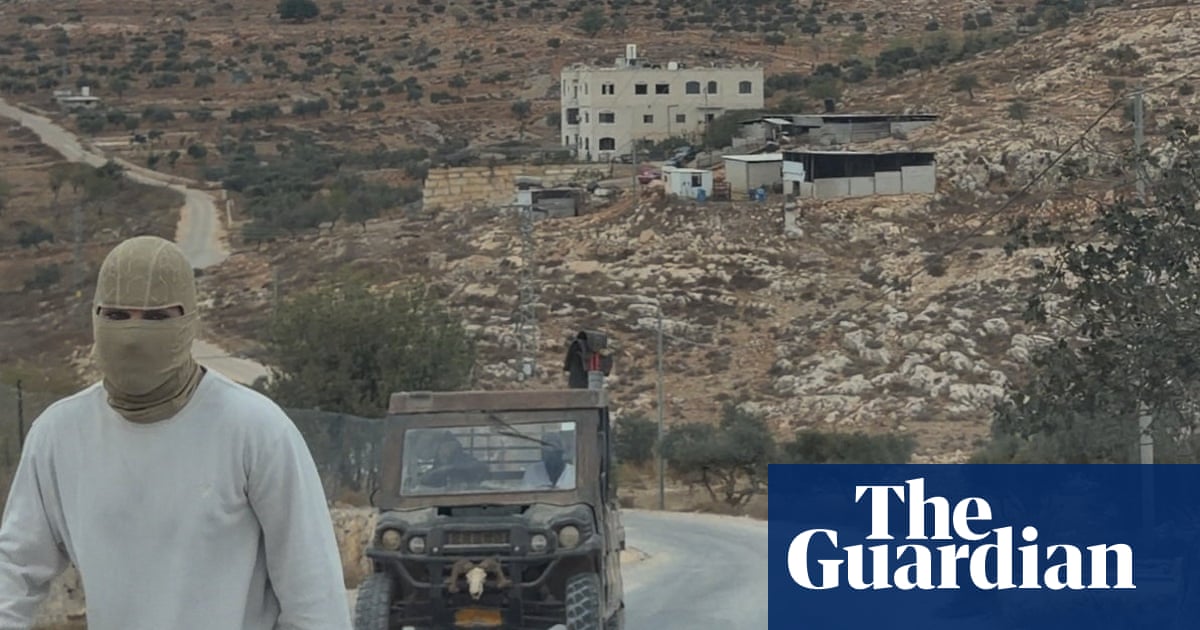
Recent reporting highlights continuing regional confrontation involving Israel and Iran, alongside serious settler violence in the West Bank. On October 17–18, Israeli settlers attacked European diplomats and a US-based photojournalist near Taybeh, while the US ambassador called the assault “terror.” These incidents are serious indicators of internal instability, but fighting already underway is not itself a new-onset event.
The largest uncertainty is whether the Israel-Iran ceasefire holds and whether West Bank violence remains localized or expands into sustained armed confrontation. Prediction markets assign 87.5% probability to the ceasefire continuing through October 31, but 47.5% through December 31; this partial-scope context points to meaningful near-term escalation sensitivity. Renewed cross-border strikes reaching Israel, or organized armed clashes inside the country, would raise risk; durable ceasefire enforcement and arrests of violent actors would lower it.
Probability trend
Sep 30
Oct 5
Oct 12
Oct 15
Oct 19
Date
Source: UCDP · Data to 31 Aug 2026
Iran - Israel, United States of America
Israel: Palestine
Israel: Southern Lebanon
Regional context
Israel ranks number 61 of 196 in new conflict outbreak risk.
Figures are each country's modelled probability of a new armed conflict on its territory within the next 12 months. Select any country to open its full profile.
www.theguardian.com

www.aljazeera.com
www.theguardian.com