
www.riotimesonline.com
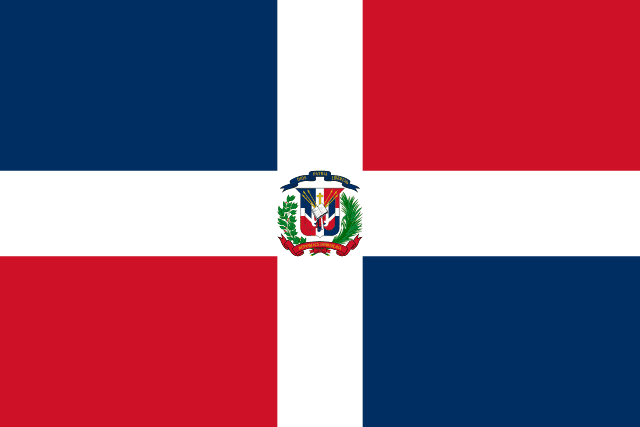
Silfio country intelligence · DOM
How to read these probabilities: Scores estimate the probability of a new armed conflict starting within the next 12 months. Ongoing conflicts can have a saturation effect, reducing the modelled probability of an additional conflict onset. A low or falling score does not imply less severe ongoing fighting or a safer country.
11.52M
$127.41B
DOP
Santo Domingo
48.67K km²
Spanish
Risk assessment
The 12-month probability of a new armed conflict on Dominican Republic territory is 0.6%, a minimal risk. The country’s history includes the 1965 civil war, military intervention, and periods of authoritarian rule, but decades of competitive elections, stronger civilian institutions, and economic growth have reduced the likelihood that political disputes become sustained armed violence.
Recent reporting provides no indication of an imminent insurgency, coup attempt, communal conflict, or foreign attack. An October 2026 profile of political power identifies President Luis Abinader, the Modern Revolutionary Party, business families, regional interests, the military, and churches as influential actors, while also discussing groups that feel excluded. These are relevant political pressures, but the report does not describe organised armed mobilisation or escalating violence.
The main uncertainty is whether a severe political, economic, or security shock could overwhelm established civilian channels and produce armed mobilisation. Risk would rise most clearly with a coup attempt, sustained clashes involving security forces and organised domestic groups, or a cross-border attack reaching Dominican territory; continued electoral competition, civilian control of the military, and peaceful dispute resolution would support the minimal level.
Probability trend
Sep 30
Oct 5
Oct 12
Oct 15
Oct 19
Date
Source: UCDP
No active conflicts in Dominican Republic.
Regional context
Dominican Republic ranks number 130 of 196 in new conflict outbreak risk.
Figures are each country's modelled probability of a new armed conflict on its territory within the next 12 months. Select any country to open its full profile.
www.riotimesonline.com