Silfio country intelligence · AGO
Angola
14.0% annual new-conflict probability
How to read these probabilities: Scores estimate the probability of a new armed conflict starting within the next 12 months. Ongoing conflicts can have a saturation effect, reducing the modelled probability of an additional conflict onset. A low or falling score does not imply less severe ongoing fighting or a safer country.
Population
39.04M
GDP
$122.17B
Currency
AOA
Capital
Luanda
Land area
1.25M km²
Official languages
Portuguese
Risk assessment
Risk profile
Angola’s live 12-month probability of a new armed-conflict onset is 14.0%, classified as a high risk. The principal long-run drivers are the country’s legacy of prolonged civil war, unresolved regional grievances including in Cabinda, and institutions shaped by concentrated executive power and uneven access to economic opportunity. Oil dependence and socioeconomic pressures can also amplify political tensions.
Recent reporting does not identify a new armed confrontation inside Angola. The strongest current signals concern ordinary state activity: Finance and Treasury Secretary Ottoniel dos Santos sought external development financing in Bangkok on 16 October, while Angolan teams and officials participated in the CAF Futsal Africa Cup of Nations in Morocco. No prediction market is available for Angola.
The largest uncertainty is whether political, economic, or regional grievances remain manageable through state control and negotiation or develop into organised domestic violence. Risk would rise with armed mobilisation in Cabinda or another region, a violent political crisis, or attacks crossing into Angolan territory; sustained dialogue, effective security restraint, and improved economic conditions would support a lower likelihood of new onset.
Strategic reasoning
- Angola’s civil war lasted from 1975 to 2002, leaving armed networks, regional grievances, and a history of political violence that continue to shape the country’s conflict exposure.
- Current reporting shows no confirmed new fighting inside Angola. The state’s strong security apparatus and continued diplomatic and economic engagement are stabilising factors, while any future violence abroad would count only if it generated a new conflict on Angolan territory.
Critical indicators
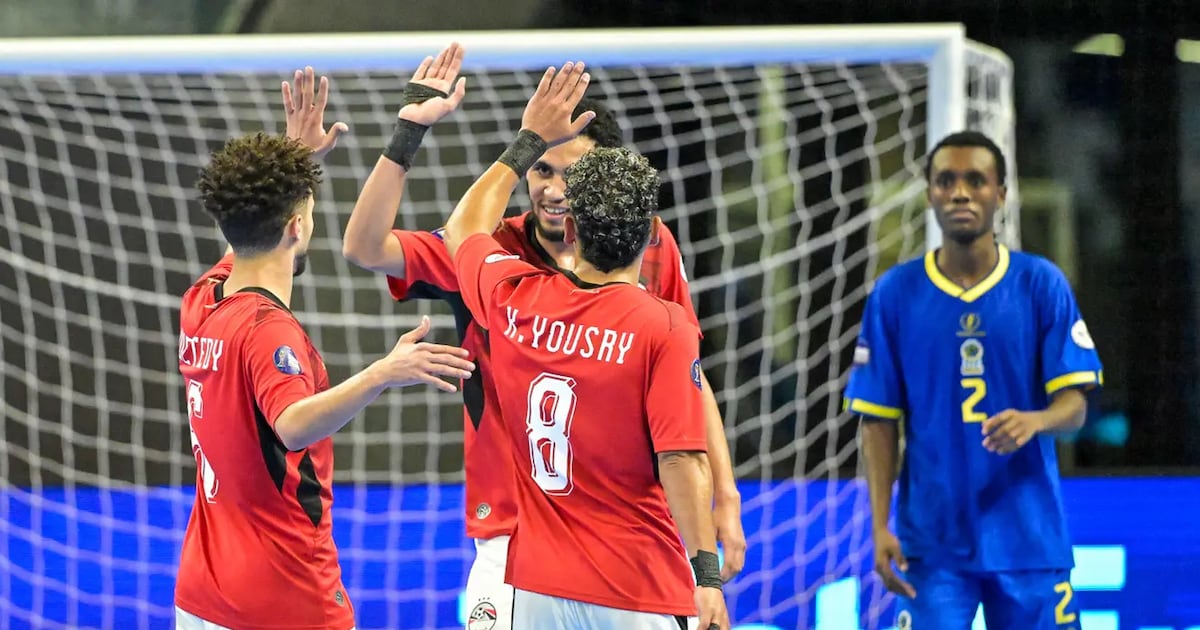
- On 17 October 2026, Angola defeated Egypt 4–2 in Morocco to top its CAF Futsal Africa Cup of Nations group and reach the semi-finals against Algeria. The event indicates routine regional engagement rather than an armed-conflict onset in Angola.
- On 16 October 2026, Finance and Treasury Secretary Ottoniel dos Santos called in Bangkok for external financing to address Africa’s estimated annual development shortfall of more than $400 billion. The appeal highlights economic constraints relevant to political stability without indicating current armed mobilisation.
Probability trend
How the Angola estimate has moved
Probability14.1%14.1%14.0%
Sep 30
Oct 5
Oct 12
Oct 15
Oct 19
Date
Current conflicts
Source: UCDP
No active conflicts in Angola.
Regional context
Angola compared with its neighbours and region
Angola ranks number 25 of 196 in new conflict outbreak risk.
Land neighbours
Figures are each country's modelled probability of a new armed conflict on its territory within the next 12 months. Select any country to open its full profile.
Related coverage
cosafa.com
Angola stun Egypt to set up Algeria semi-final as Morocco clash looms – COSAFA | The Council of Southern Africa Football Associations
Read source
fr.allafrica.com