www.theguardian.com
Silfio country intelligence · ARG
How to read these probabilities: Scores estimate the probability of a new armed conflict starting within the next 12 months. Ongoing conflicts can have a saturation effect, reducing the modelled probability of an additional conflict onset. A low or falling score does not imply less severe ongoing fighting or a safer country.
45.85M
$683.1B
ARS
Buenos Aires
2.78M km²
Guaraní, Spanish
Risk assessment
The 12-month probability is 0.9%, a minimal risk. Argentina’s large economy, established electoral institutions, and predominantly civilian political system reduce the likelihood that political or economic disputes develop into sustained armed violence on its territory. Its history includes the 1982 Falklands war, but that conflict ended decades ago and does not itself constitute a new-onset risk.
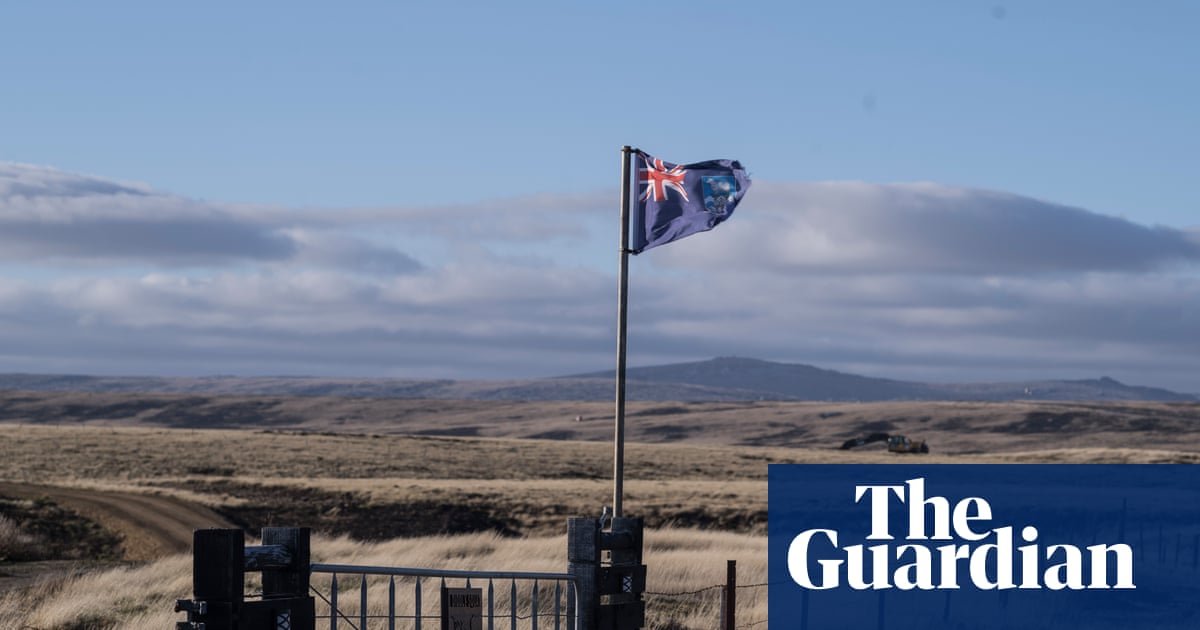
Recent reporting highlights renewed Argentine pressure over the Falkland Islands, including President Javier Milei’s attacks on the islands’ oil industry and suggestions that fisheries could also face pressure. The dispute involves Argentina, the United Kingdom, and the Falkland Islands’ authorities, but the reported measures and rhetoric have not involved an armed attack reaching Argentine territory.
The main uncertainty is whether domestic political pressure or the Falklands dispute could produce an abrupt escalation beyond economic and diplomatic coercion. Risk would rise most clearly with Argentine military mobilisation or an armed incident involving Argentina; it would be supported at the current minimal level by continued institutional control, diplomatic management, and the absence of sustained armed activity inside Argentina.
Probability trend
Sep 30
Oct 5
Oct 12
Oct 15
Oct 19
Date
Source: UCDP
No active conflicts in Argentina.
Regional context
Argentina ranks number 116 of 196 in new conflict outbreak risk.
Figures are each country's modelled probability of a new armed conflict on its territory within the next 12 months. Select any country to open its full profile.
www.theguardian.com