caliber.az
Silfio country intelligence · ECU

How to read these probabilities: Scores estimate the probability of a new armed conflict starting within the next 12 months. Ongoing conflicts can have a saturation effect, reducing the modelled probability of an additional conflict onset. A low or falling score does not imply less severe ongoing fighting or a safer country. Existing conflicts are assessed through scenario analysis.
18.29M
$130.32B
USD
Quito
276.84K km²
Spanish
Risk assessment
Ecuador faces a 12-month probability of 3.0% for a new armed-conflict onset on its territory, representing a moderate risk. The main long-run factors are severe organised-crime violence, weak state control in some urban and coastal areas, corruption pressures, and the country’s recent experience of prison uprisings, gang warfare, and attacks on state institutions.
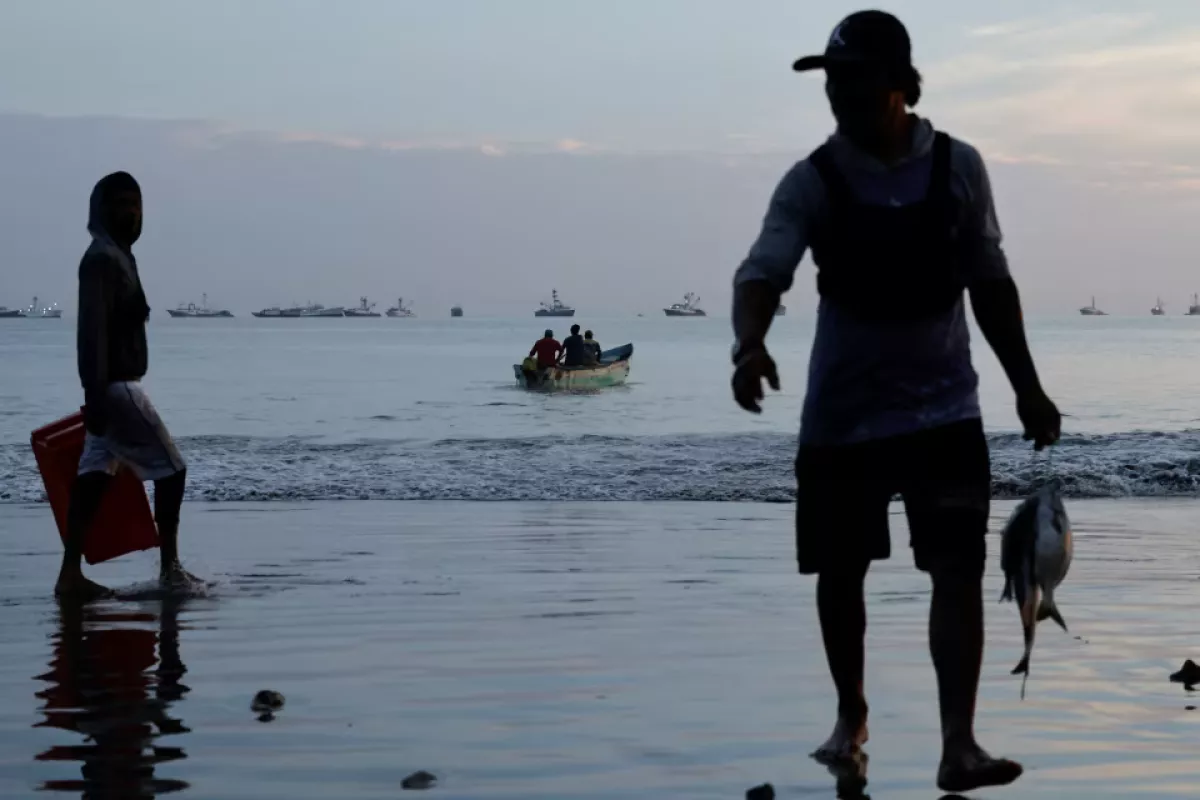
Recent reporting from Manta shows fishermen being drawn into the drug trade, illustrating how criminal groups can penetrate coastal livelihoods and expand recruitment beyond established trafficking networks. The principal actors are Ecuadorian criminal organisations, local communities exposed to coercion, and state security forces attempting to contain violence around ports and trafficking routes.
The largest uncertainty is whether gang competition remains primarily criminal and fragmented or develops into sustained, organised armed confrontation with the state or between rival territorial groups. Risk would rise if armed groups began holding territory, attacking security forces systematically, or disrupting ports and cities; it would fall if arrests, financial disruption, and protection for coastal communities prevented further gang expansion.
Probability trend
Aug 26
Sep 1
Sep 7
Sep 21
Sep 30
Date
Source: UCDP
No active conflicts in Ecuador.
Regional context
Ecuador ranks number 72 of 195 in new conflict outbreak risk.
Figures are each country's modelled probability of a new armed conflict on its territory within the next 12 months. Select any country to open its full profile.
caliber.az