cbsnews.com
Silfio country intelligence · OMN

How to read these probabilities: Scores estimate the probability of a new armed conflict starting within the next 12 months. Ongoing conflicts can have a saturation effect, reducing the modelled probability of an additional conflict onset. A low or falling score does not imply less severe ongoing fighting or a safer country.
5.49M
$109.6B
OMR
Muscat
309.5K km²
Arabic
Risk assessment
The 12-month probability of a new armed-conflict onset in Oman is 1.3%, a low risk. Oman has strong state capacity, comparatively effective institutions, and a long record of domestic stability since the Dhofar insurgency ended in 1975. Its neutral diplomacy, control of security institutions, and limited history of interstate fighting on Omani territory also support a low likelihood of new internal or external conflict.
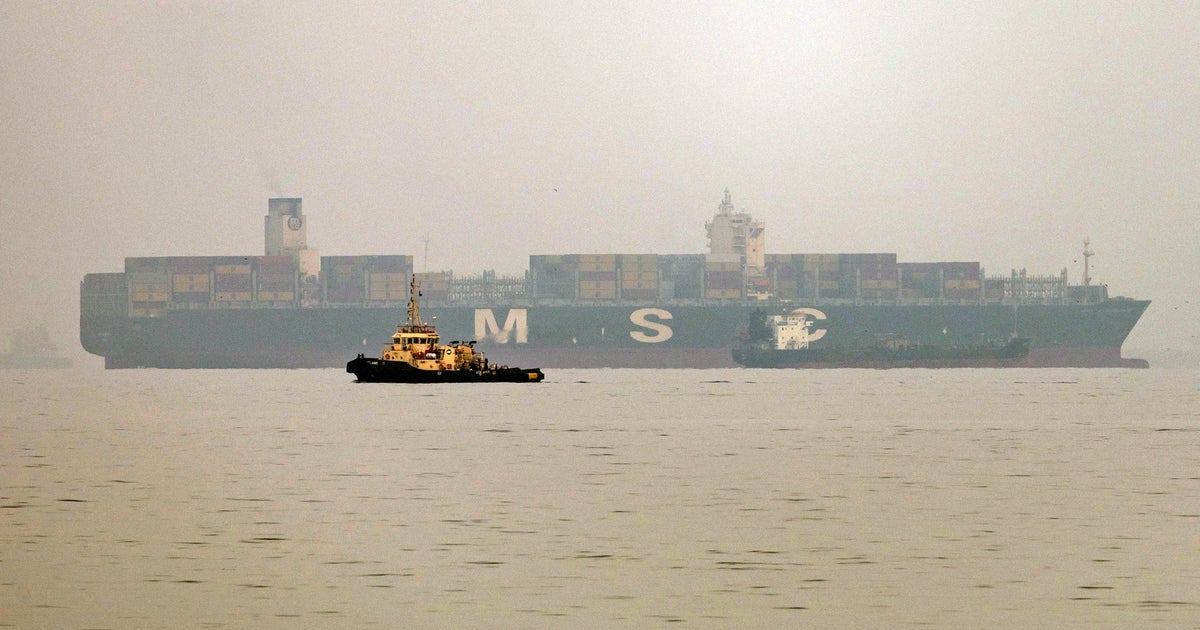
Recent reporting places Oman near a serious regional security crisis. UKMTO recorded 10 maritime attacks in the week ending Friday, with most since early July occurring offshore near Oman, while fighting and tensions involving Iran have affected the Strait of Hormuz. These incidents raise exposure for Omani waters and ports but do not themselves constitute armed conflict on Omani territory. Oman remains a diplomatic and commercial actor, with foreign naval activity increasing around the Gulf of Oman.
The largest uncertainty is whether regional hostilities expand from maritime attacks and pressure around Hormuz into strikes on Omani land, ports, or security forces, or instead remain contained offshore. Risk would rise most clearly after a confirmed attack inside Oman; sustained ceasefire arrangements, continued Omani mediation, and safe operation of its ports would support the current low-risk assessment.
Probability trend
Sep 30
Oct 5
Oct 12
Oct 15
Oct 19
Date
Source: UCDP
No active conflicts in Oman.
Regional context
Oman ranks number 99 of 196 in new conflict outbreak risk.
Figures are each country's modelled probability of a new armed conflict on its territory within the next 12 months. Select any country to open its full profile.
cbsnews.com
www.thestatesman.com
